 EN
EN


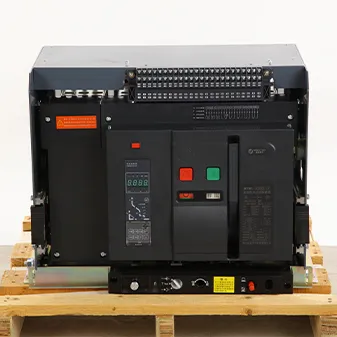
The price of a moulded circuit breaker is rarely the same from one market to the next. Buyers sourcing a moulded circuit breaker in Europe, Southeast Asia, or the Middle East often encounter dramatically different price points for what appears to be a comparable product. Understanding why these differences exist is essential for procurement teams, electrical contractors, and distributors who need to make cost-effective, technically sound decisions.
A moulded circuit breaker is a critical protection device used in low-voltage power distribution systems. Its price reflects a complex mix of technical specifications, compliance requirements, manufacturing origin, and local market dynamics. When buyers compare a moulded circuit breaker listed at one price in one region against a seemingly identical unit priced differently elsewhere, the gap is almost never arbitrary. Each factor that shapes the cost of a moulded circuit breaker deserves careful examination.
Technical Specifications and Their Impact on Cost
Breaking Capacity and Current Rating
One of the primary drivers of moulded circuit breaker pricing is the breaking capacity, often expressed in kiloamperes. A moulded circuit breaker with a 50kA breaking capacity requires more robust internal components, higher-grade arc-quenching materials, and more precise manufacturing tolerances than a lower-rated unit. This directly increases the cost of the moulded circuit breaker. Current ratings also play a significant role — a 400A moulded circuit breaker involves heavier copper contacts, larger frames, and more complex thermal-magnetic or electronic trip mechanisms compared to smaller-rated devices.
Trip Technology and Digital Features
A basic thermal-magnetic moulded circuit breaker will typically cost less than a digitally controlled moulded circuit breaker equipped with electronic trip units, real-time monitoring, or communication interfaces. Digital moulded circuit breaker models offer advanced protection functions such as adjustable overload settings, short-circuit thresholds, and ground fault detection. These added capabilities require more sophisticated components, driving up the manufacturing cost of each moulded circuit breaker unit. In markets where smart grid integration and energy management are priorities, buyers are willing to pay a premium for a feature-rich moulded circuit breaker, which in turn elevates the prevailing market price.
Compliance Standards and Regional Certification Requirements
Standards That Affect Moulded Circuit Breaker Design
A moulded circuit breaker sold in a market governed by IEC standards must be tested and certified differently from a moulded circuit breaker sold in a market following UL or GB standards. These certification processes impose different design requirements on the moulded circuit breaker, affecting everything from insulation materials to contact arrangements and enclosure dimensions. A manufacturer producing a moulded circuit breaker for multiple regulatory zones must invest in separate testing, certification fees, and often different production tooling. These compliance costs are embedded in the final price of the moulded circuit breaker and vary significantly by region.
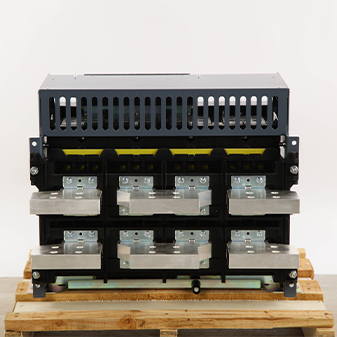
Local Approval and Import Duties
Beyond international standards, individual countries may impose local approval requirements on any imported moulded circuit breaker. Import tariffs, customs duties, and value-added taxes further increase the landed cost of a moulded circuit breaker in certain markets. A moulded circuit breaker that enters a high-tariff jurisdiction may cost substantially more than the same moulded circuit breaker available in a free-trade zone or in its country of origin. Distributors absorb these costs and pass them on, which is why the final price of a moulded circuit breaker can appear inflated compared to direct-source pricing.
Supply Chain Structure and Market Dynamics
Distribution Layers and Margin Stacking
The channel through which a moulded circuit breaker reaches the end buyer has a substantial effect on its price. When a moulded circuit breaker passes through multiple layers — manufacturer, regional distributor, local wholesaler, and retail outlet — each layer adds a margin. A moulded circuit breaker purchased directly from a manufacturer will almost always cost less than the same moulded circuit breaker bought through a multi-tier distribution network. In some markets, exclusive distribution agreements limit competition and sustain higher prices for the moulded circuit breaker at the local level.
Currency Fluctuations and Raw Material Costs
The price of a moulded circuit breaker is also sensitive to global raw material costs. Copper, used extensively in the contacts and busbars of every moulded circuit breaker, experiences significant price fluctuations driven by global commodity markets. When copper prices rise, the cost of producing a moulded circuit breaker increases, and manufacturers typically pass these increases downstream. Currency exchange rates between the manufacturing country and the purchasing market add another layer of variability to moulded circuit breaker pricing. A buyer purchasing a moulded circuit breaker in a currency that has weakened against the manufacturing currency will effectively pay more for the same product.
FAQ
Why does a moulded circuit breaker with higher breaking capacity cost more?
A moulded circuit breaker rated for higher breaking capacity requires more durable internal arc chambers, heavier-duty contacts, and tighter manufacturing tolerances. These factors increase both material costs and production complexity, making a high-capacity moulded circuit breaker more expensive to produce and sell.
Does buying a certified moulded circuit breaker always mean paying a higher price?
Certification does add cost to a moulded circuit breaker because it involves testing fees, compliance documentation, and sometimes design modifications. However, a certified moulded circuit breaker reduces risk, ensures safety compliance, and prevents costly failures in the field, making the investment worthwhile for most buyers.
How can buyers reduce the cost of sourcing a moulded circuit breaker internationally?
Buyers can reduce cost by sourcing a moulded circuit breaker closer to the manufacturing origin, consolidating orders to reduce per-unit logistics expenses, and working directly with manufacturers rather than multi-tier distributors. Understanding the local import duties that apply to a moulded circuit breaker in the destination market also helps buyers plan procurement budgets more accurately.