 EN
EN


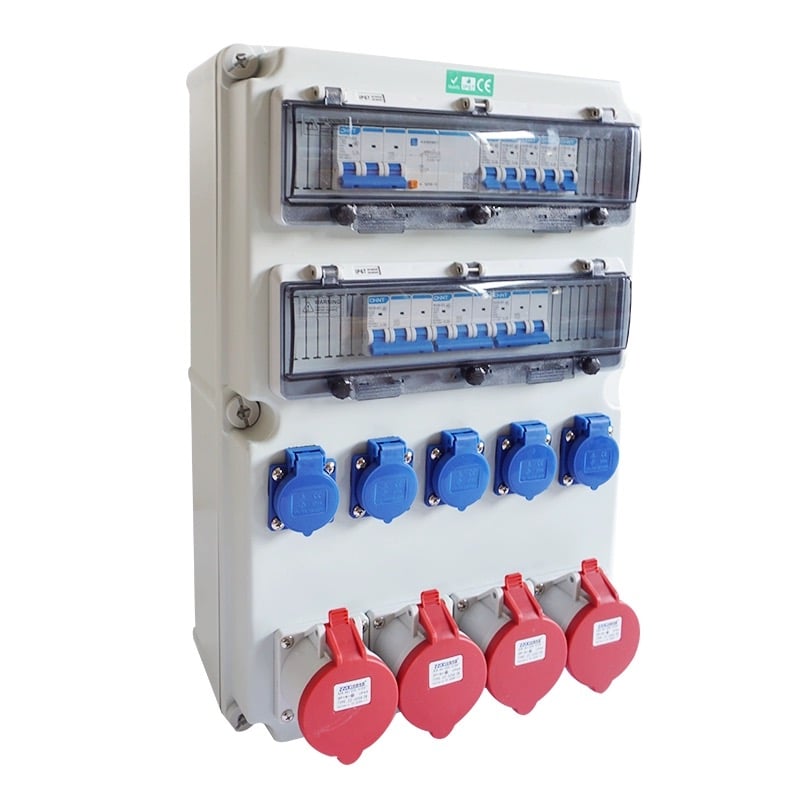
A socket switch box is one of the most critical components in any industrial or commercial electrical installation. It serves as the central interface between power supply lines and connected equipment, combining switching control and socket connectivity in a single protected enclosure. Without a properly specified socket switch box, wiring systems face elevated risks of short circuits, accidental energization, and electrical fires. Understanding what makes this component essential helps engineers, facility managers, and procurement teams make better decisions about electrical infrastructure.
The socket switch box is not simply a convenience device. In demanding environments such as construction sites, manufacturing floors, and outdoor facilities, a socket switch box provides structured, safe power access with built-in protective measures. The right socket switch box controls current flow, isolates circuits under fault conditions, and keeps live connections shielded from moisture, dust, and physical contact. Each of these functions contributes directly to workplace safety and electrical system integrity.
Core Safety Functions of a Socket Switch Box
Isolation and Circuit Control
One of the primary reasons a socket switch box is essential is its ability to isolate electrical circuits quickly and reliably. When maintenance is required or a fault is detected, the integrated switch inside the socket switch box allows operators to cut power without disturbing the broader distribution panel. This localized isolation prevents accidental energization during repair work and reduces downtime across the facility. A socket switch box with a clearly marked switching mechanism also supports lock-out and tag-out safety procedures, which are mandatory in many regulated industrial environments.
Protection Against Environmental Hazards
A socket switch box deployed outdoors or in wet processing areas must resist water ingress, dust accumulation, and corrosive exposure. Enclosures rated to IP65 or higher are specifically designed to block high-pressure water jets and fine particulate matter, keeping internal connections dry and secure. When a socket switch box carries a high IP rating, it eliminates the risk of moisture-induced short circuits that could ignite fires or cause equipment failures. This level of environmental protection makes the socket switch box an indispensable asset wherever exposure to the elements is unavoidable.
Structural Design Features That Enhance Wiring Safety
Robust Enclosure and Terminal Layout
The physical construction of a socket switch box directly influences how safely wiring can be installed and maintained. A well-engineered socket switch box provides clearly organized terminal blocks, adequate cable entry points with strain relief, and sufficient internal volume to prevent wire crowding. Crowded wiring is a common source of insulation damage and arcing faults. By providing a structured internal layout, the socket switch box ensures that conductors are routed cleanly, reducing the probability of contact between live and neutral lines. The enclosure material, whether reinforced thermoplastic or die-cast metal, must also withstand mechanical impact without cracking and exposing live parts.
Integrated Switching and Socket Compatibility
A socket switch box combines the switching element and the socket outlet within the same unit, which simplifies installation and reduces the number of separate components in a circuit. This integration is particularly important at 380V industrial voltages, where multiple discrete components increase connection points and raise the risk of loose terminals or mismatched ratings. The socket switch box ensures that the switch rating, socket amperage, and enclosure protection class are all matched and certified together. At 63A capacity, a quality socket switch box can handle heavy three-phase loads reliably without thermal degradation at the contact points.
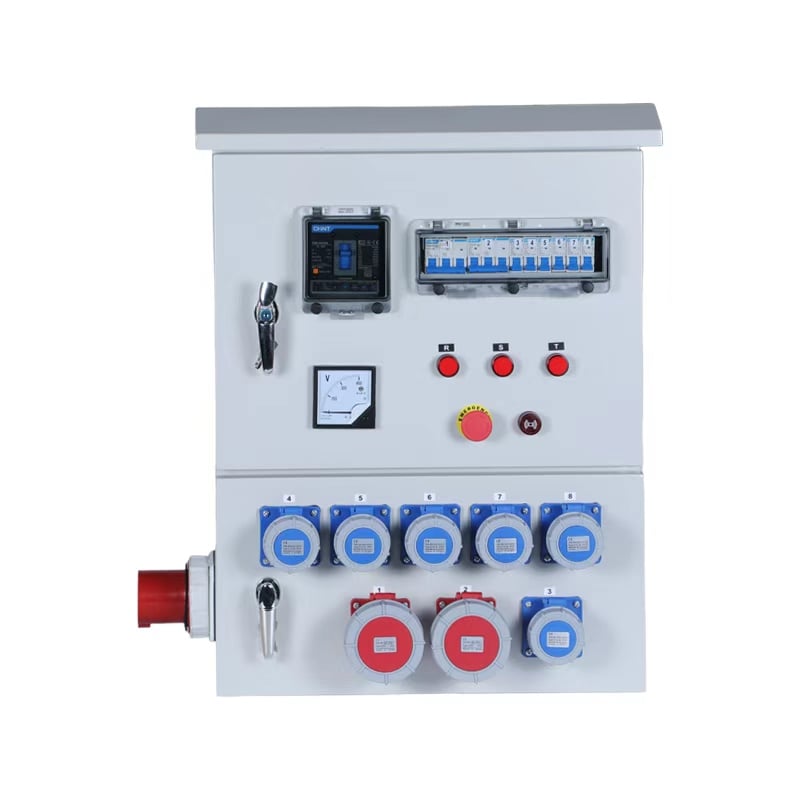
Selection Criteria for a Safe and Reliable Socket Switch Box
Voltage and Current Rating Alignment
Selecting the right socket switch box starts with matching the unit's voltage and current ratings to the actual load requirements of the application. Undersized components in a socket switch box will overheat under continuous load, causing insulation breakdown and contact welding. A socket switch box rated at 63A and 380V is suitable for heavy industrial equipment, workshop machinery, and three-phase distribution points. Procurement teams should always verify that the socket switch box carries certification marks from recognized testing bodies, confirming that rated performance has been independently validated under standardized test conditions.
Ingress Protection and Installation Environment
The socket switch box selected for outdoor or wet-area use must carry an IP65 or equivalent ingress protection rating. This rating confirms that the socket switch box enclosure has been tested against dust and directed water exposure. For indoor dry environments, a lower protection class may suffice, but for any application involving machinery washdowns, rain exposure, or dusty production areas, the IP65-rated socket switch box is the appropriate choice. Installers should also confirm that the socket switch box includes appropriate cable gland fittings and that the gasket sealing remains intact after installation and repeated use.
Compliance With Electrical Safety Standards
A socket switch box must comply with applicable national and international electrical standards to be considered safe for professional installation. Compliance with IEC standards for industrial plugs and sockets, enclosure protection, and switching devices ensures that the socket switch box performs predictably across its rated service life. Non-compliant socket switch box products carry hidden risks including undersized internal wiring, inadequate creepage distances, and untested switch endurance. Specifying a certified socket switch box eliminates these risks and satisfies the requirements of site electrical inspections and insurance assessments.
FAQ
What is the purpose of a socket switch box in industrial wiring?
A socket switch box provides a combined switching and power outlet function within a single protected enclosure. It allows safe connection and disconnection of industrial equipment, supports circuit isolation during maintenance, and protects wiring from environmental hazards. The socket switch box is essential wherever controlled, safe access to electrical power is required in demanding environments.
Why does a socket switch box need an IP65 rating for outdoor use?
An IP65-rated socket switch box is tested to prevent dust ingress and resist directed water jets, making it suitable for outdoor, wet, and dusty environments. Without adequate ingress protection, moisture can enter the socket switch box and cause short circuits, corrosion, or insulation failure. The IP65 rating gives site managers confidence that the socket switch box will maintain safe and reliable performance regardless of weather or cleaning procedures.
How do I choose the correct amperage for a socket switch box?
The correct amperage for a socket switch box should be chosen based on the maximum continuous load current of the connected equipment, with an appropriate safety margin. A 63A socket switch box is suitable for heavy three-phase industrial loads. Always verify that the socket switch box rating matches both the circuit breaker upstream and the load downstream to prevent overheating and premature failure of contacts or insulation.