 EN
EN


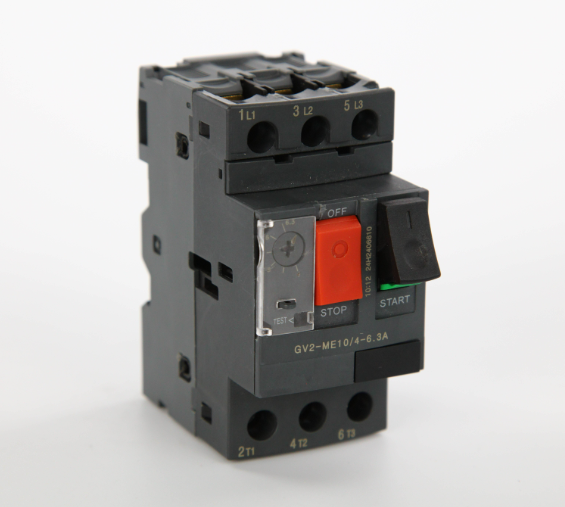
A miniature case circuit breaker is one of the most versatile protective devices used across modern electrical systems. Whether deployed in compact control panels or large commercial installations, the miniature case circuit breaker delivers reliable overcurrent and short-circuit protection in a space-efficient form. Understanding which applications benefit most from this device helps engineers, facility managers, and procurement teams make smarter specification decisions. The miniature case circuit breaker is not a one-size-fits-all product, but its design characteristics make it an excellent fit for a surprisingly wide range of scenarios.
The design of a miniature case circuit breaker combines a compact molded housing with robust internal trip mechanisms, allowing it to handle significant current ratings without occupying excessive panel space. This balance of size and performance is precisely why the miniature case circuit breaker has become a preferred choice in applications where both protection reliability and spatial efficiency matter. This article examines the specific application categories that gain the most value from deploying a miniature case circuit breaker, and explains the technical and operational reasons behind each fit.
Industrial Control and Motor Protection Applications
Motor Feeder Circuits in Manufacturing
One of the clearest application fits for a miniature case circuit breaker is motor feeder circuit protection in manufacturing environments. Motors are among the most common sources of electrical faults, and a miniature case circuit breaker provides the precise overcurrent response needed to protect motor windings from sustained overloads. In automated production lines, where dozens of motors may operate simultaneously, using a miniature case circuit breaker for each feeder circuit ensures that a fault in one motor does not cascade to adjacent systems. The compact form factor of the miniature case circuit breaker allows multiple units to be mounted within a single control cabinet without consuming excessive space.
Machine Tool and CNC Equipment Panels
CNC machines and precision machine tools demand highly stable power delivery. A miniature case circuit breaker installed at the equipment feed point provides fast-acting protection against voltage surges and fault currents that could damage sensitive servo drives or spindle motors. The miniature case circuit breaker is particularly well suited to machine tool panels because its molded case structure resists vibration and mechanical shock, which are common in machining environments. Engineers frequently specify the miniature case circuit breaker for these panels because it combines adjustable trip settings with a reliable interrupting capacity that aligns with the fault levels typical in factory distributions.
Commercial Building and Infrastructure Applications
Distribution Boards in Office and Retail Buildings
Commercial buildings rely on layered electrical protection, and the miniature case circuit breaker occupies an important position within that hierarchy. In office buildings, retail spaces, and mixed-use developments, the miniature case circuit breaker is commonly installed in sub-distribution boards that serve individual floors or tenant zones. Its ability to handle currents ranging from small branch circuits up to larger feeder loads makes the miniature case circuit breaker a flexible option for facility designers. The miniature case circuit breaker also supports lockable handle accessories, which is a practical advantage in commercial settings where unauthorized switching must be prevented.
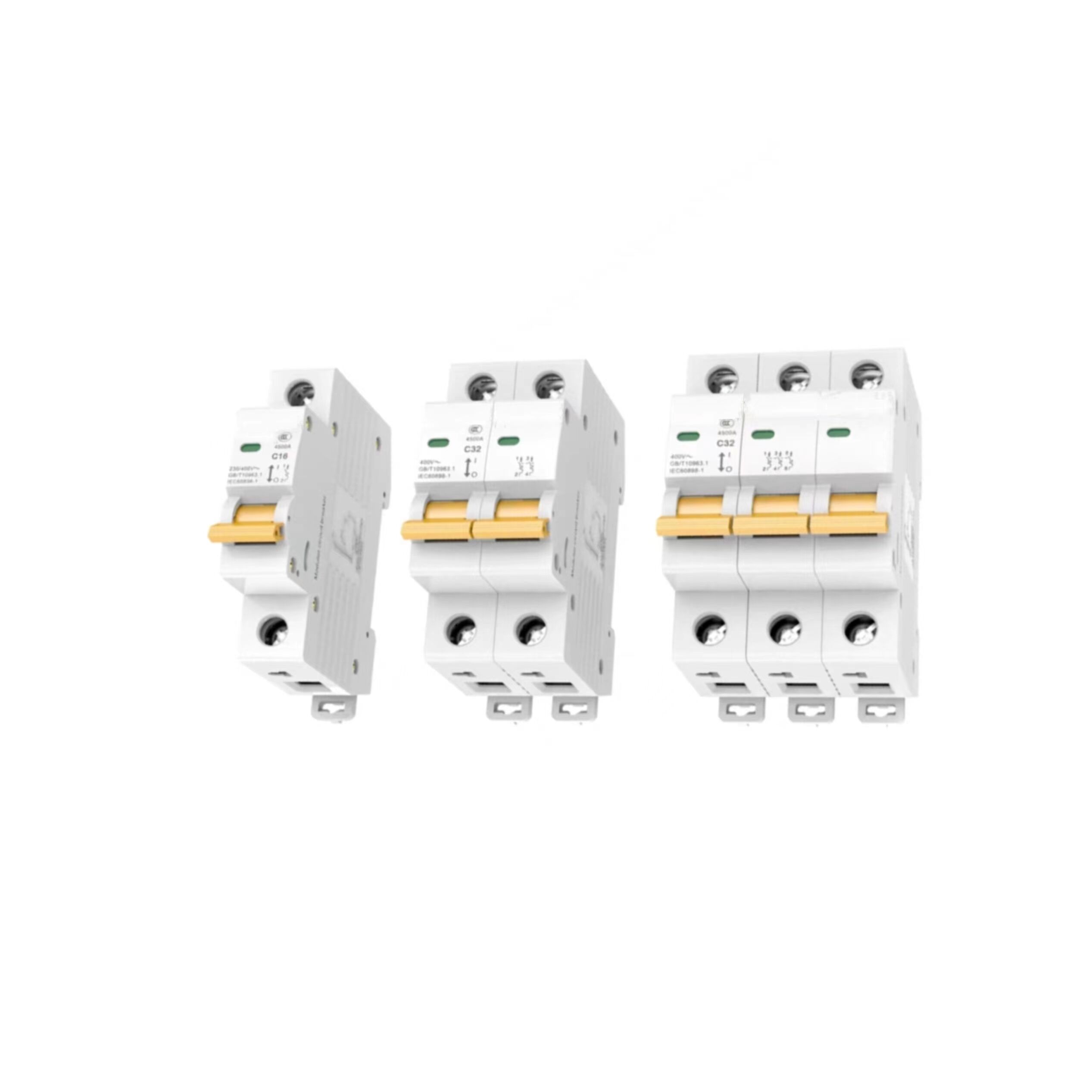
HVAC System Protection
Heating, ventilation, and air conditioning systems represent another high-value application for the miniature case circuit breaker. HVAC compressors and fan motors draw high inrush currents on startup, and without properly rated protection, these inrush events can cause nuisance tripping or, worse, go unprotected under genuine fault conditions. The miniature case circuit breaker addresses this challenge through selectable trip characteristics that allow the protection threshold to be tuned to the specific inrush profile of the connected equipment. Facility engineers who deploy a miniature case circuit breaker in HVAC feeder circuits report fewer unplanned interruptions and more predictable maintenance cycles.
Renewable Energy and Data Infrastructure Applications
Solar PV Array and Inverter Protection
The growth of solar photovoltaic installations has created strong demand for the miniature case circuit breaker in DC-side and AC-side protection roles. On the DC side, a miniature case circuit breaker rated for DC applications provides string-level and combiner-box protection, isolating faulted strings without affecting the overall system output. On the AC side, the miniature case circuit breaker protects the inverter output and connects the solar system to the grid or building distribution. The miniature case circuit breaker is preferred in solar applications because its compact size fits neatly into the junction boxes and combiner enclosures common in rooftop and ground-mounted PV arrays. Its high interrupting capacity is also critical in solar installations where fault currents can be substantial.
Data Center Power Distribution Units
Data centers require fault protection that is fast, reliable, and capable of operating within the tight spatial constraints of server rack power distribution units. The miniature case circuit breaker meets these requirements with precision. In data center environments, the miniature case circuit breaker protects individual power distribution branches serving server racks, storage systems, and network equipment. Because uptime is paramount in data center operations, the miniature case circuit breaker must provide consistent protection without nuisance trips that could interrupt critical workloads. The miniature case circuit breaker's adjustable settings allow data center electrical engineers to fine-tune protection curves so that routine load variations do not trigger unnecessary disconnections. This level of configurability is a key reason why the miniature case circuit breaker is widely adopted in data infrastructure projects.
FAQ
What current ratings are typically available for a miniature case circuit breaker?
A miniature case circuit breaker is available across a wide range of current ratings, commonly from 16A to 250A depending on the manufacturer and standard applied. The miniature case circuit breaker used in industrial and commercial feeder applications often falls in the 63A to 125A range, while lighter-duty versions of the miniature case circuit breaker suit smaller branch circuits in commercial buildings and control panels.
How does a miniature case circuit breaker differ from a standard miniature circuit breaker?
A miniature case circuit breaker differs from a standard miniature circuit breaker primarily in current capacity and construction. The miniature case circuit breaker uses a molded insulating case that houses adjustable thermal-magnetic or electronic trip units, enabling higher breaking capacities suitable for feeder and motor circuits. A standard miniature circuit breaker is generally limited to branch circuit protection at lower current ratings and offers less trip curve flexibility than the miniature case circuit breaker.
Can a miniature case circuit breaker be used in outdoor installations?
A miniature case circuit breaker can be used in outdoor installations when housed within an enclosure that provides the appropriate ingress protection rating for the environment. The miniature case circuit breaker itself is typically designed for panel mounting, so outdoor use requires a weatherproof enclosure to protect the miniature case circuit breaker from moisture, dust, and UV exposure. Selecting the correct enclosure rating ensures the miniature case circuit breaker performs reliably throughout its service life in outdoor conditions.