 EN


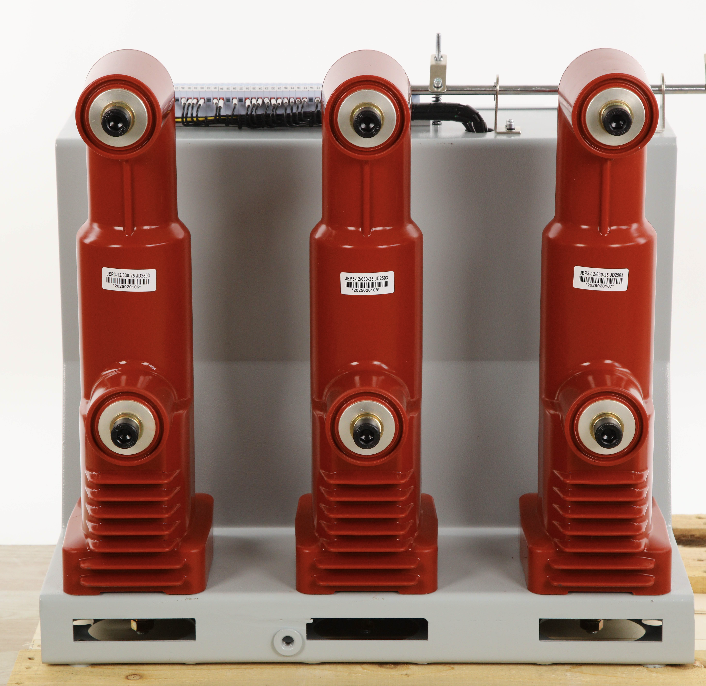
An outdoor VCB represents a critical infrastructure decision for any substation planning or upgrade project. Understanding when to install an outdoor VCB is essential for engineers, facility managers, and utilities seeking to optimize electrical distribution, enhance reliability, and meet evolving grid demands. The timing of an outdoor VCB installation depends on multiple operational, regulatory, and environmental factors that directly impact system performance and long-term cost efficiency.
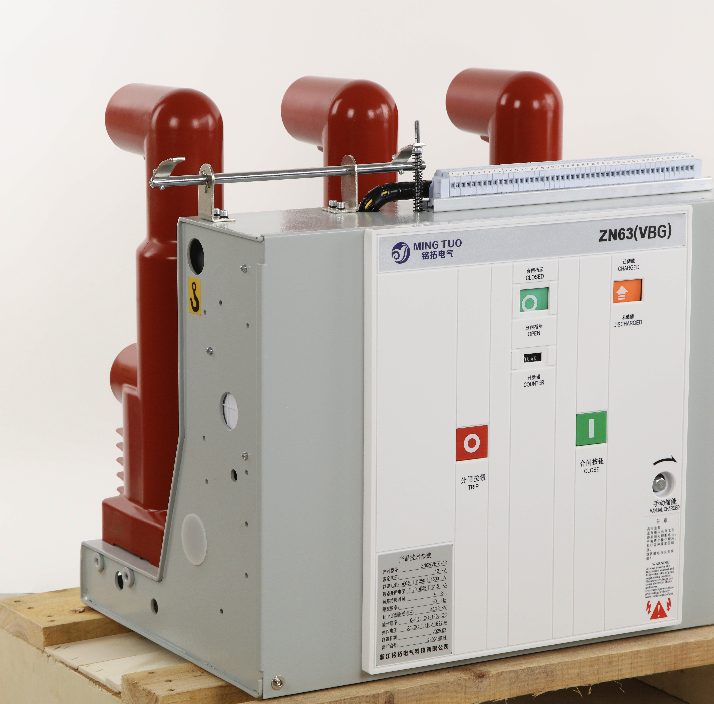
The decision to install an outdoor VCB involves evaluating system capacity constraints, environmental conditions, regulatory compliance requirements, and anticipated load growth. Substations operating near their thermal limits benefit significantly from upgrading to an outdoor VCB that can handle higher switching speeds and improved fault current management. Whether your facility operates in harsh climates, high-altitude regions, or standard temperate zones, an outdoor VCB provides the durability and performance necessary for consistent operation.
Identifying Capacity and Load Growth Triggers
Current System Limitations and Expansion Needs
Most utilities recognize the need for an outdoor VCB when existing switchgear approaches maximum capacity. An outdoor VCB offers superior arc extinction technology compared to older oil-filled circuit breakers, enabling faster fault interruption and reduced maintenance. When your substation experiences recurring outages, thermal stress indicators, or frequent manual load transfers, installing an outdoor VCB becomes strategically justified. The timing aligns with anticipated load growth, allowing the outdoor VCB to accommodate future demand without requiring another major upgrade within five to seven years.
Operational Efficiency and Downtime Reduction
Downtime costs directly influence when to schedule an outdoor VCB installation. An outdoor VCB minimizes planned maintenance windows because vacuum technology requires far less servicing than traditional designs. If your facility currently experiences operational constraints due to maintenance schedules, installing an outdoor VCB reduces interruptions and improves asset availability. Many operators choose to install an outdoor VCB during scheduled maintenance windows rather than waiting for emergency replacement, preserving grid stability and avoiding costly emergency response scenarios.
Environmental Conditions and Climate Suitability Assessment
Climate Resilience and Weather Protection
An outdoor VCB installation becomes urgent when substations operate in challenging environmental conditions including extreme temperatures, high humidity, salt spray exposure, or significant altitude variations. Vacuum technology used in modern outdoor VCB designs provides exceptional performance across temperature ranges from minus forty to plus fifty-five degrees Celsius. Coastal utilities and facilities near industrial corrosion sources benefit immediately when upgrading to an outdoor VCB because vacuum insulation resists environmental degradation better than oil-filled alternatives. The timing to install an outdoor VCB aligns with seasonal weather patterns that minimize installation risks and ensure operational stability during peak demand periods.
Seismic and Atmospheric Considerations
Regions experiencing seismic activity or high-altitude installations present compelling reasons to install an outdoor VCB sooner rather than later. An outdoor VCB designed for harsh environments incorporates reinforced structural components and superior fault-clearing capabilities that enhance safety during and after seismic events. High-altitude installations require equipment specifically rated for reduced air density, making an outdoor VCB with enhanced vacuum technology a critical upgrade. When environmental stress assessments reveal vulnerability, planning an outdoor VCB installation protects infrastructure investment and reduces long-term failure risk.
Regulatory Compliance and Grid Modernization Alignment
Standards Compliance and Safety Requirements
Regulatory bodies increasingly mandate equipment upgrades that align with modern grid standards and safety protocols. An outdoor VCB installation becomes necessary when existing equipment falls below current industry standards or utility requirements. Installing an outdoor VCB ensures compliance with arc flash mitigation, transient overvoltage protection, and rapid response specifications. Utilities planning grid modernization initiatives should integrate an outdoor VCB into their deployment timeline to align with regulatory deadlines and avoid costly non-compliance penalties.
Smart Grid Integration and Future-Ready Infrastructure
Modern substations increasingly require equipment supporting automated switching, remote monitoring, and data collection capabilities. An outdoor VCB enables seamless integration with supervisory control systems and provides precise fault detection data valuable for grid optimization. When planning infrastructure modernization, installing an outdoor VCB positions the substation for advanced functionality including predictive maintenance and real-time performance analytics. The timing to install an outdoor VCB should coincide with broader digital transformation initiatives to maximize technology benefits and operational intelligence.
FAQ
What signals indicate that a substation needs an outdoor VCB installation?
Clear installation triggers include recurring overload alarms, thermal stress during peak demand periods, maintenance costs exceeding replacement value projections, frequent manual switching operations, and age-related reliability concerns with existing equipment. Many utilities also install an outdoor VCB when facility load forecasts project growth exceeding current capacity within the planning horizon. Environmental factors such as corrosion evidence, moisture intrusion, or seismic vulnerability also justify prioritizing an outdoor VCB upgrade in the capital plan.
How does seasonal timing affect outdoor VCB installation scheduling?
Most utilities schedule an outdoor VCB installation during low-demand seasons to minimize operational disruption and allow adequate testing time before peak periods. Winter months in temperate regions typically present optimal windows for major switchgear work because demand patterns stabilize and weather considerations become more predictable. Spring and fall transitions also offer favorable conditions for outdoor VCB installation when temperature stability supports commissioning activities. Utilities must coordinate an outdoor VCB installation with grid maintenance calendars, material procurement timelines, and crew availability to optimize project execution.
Does newer equipment age justify immediate outdoor VCB installation?
Equipment age alone does not mandate an outdoor VCB installation if performance remains within acceptable parameters and reliability trends remain stable. However, when existing equipment approaches twenty to twenty-five years of operation, planning an outdoor VCB replacement becomes prudent because failure risk increases substantially. Modern outdoor VCB technology offers reliability improvements that justify investment even before catastrophic failure occurs, providing competitive advantages in fault protection and maintenance efficiency that older designs cannot match.