 EN
EN


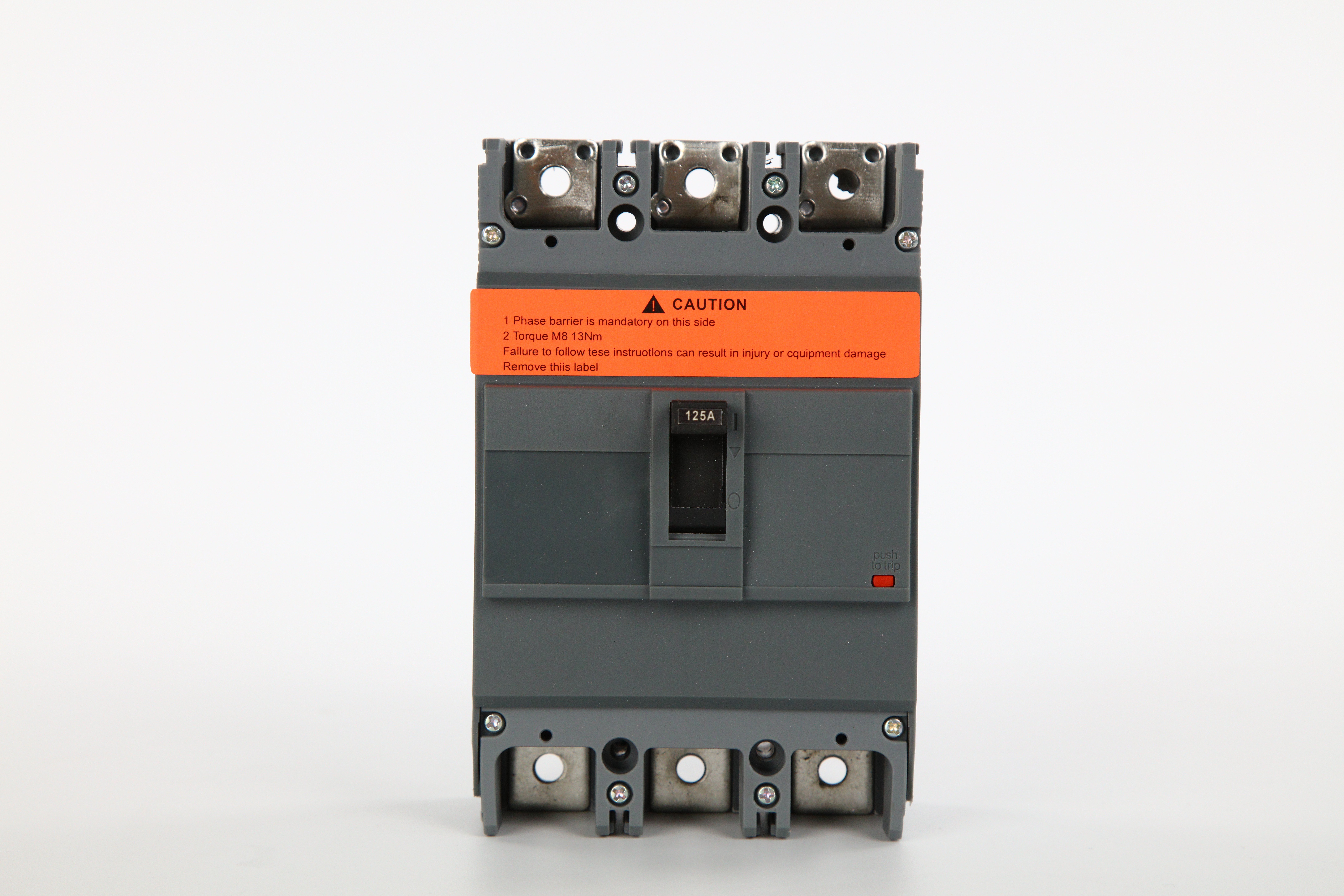
The cost of an 11kV vacuum circuit breaker represents a significant investment in industrial and commercial electrical infrastructure. Understanding the factors that influence the price of an 11kV vacuum circuit breaker is essential for facility managers, procurement specialists, and electrical engineers making purchasing decisions. An 11kV vacuum circuit breaker serves as a critical component in medium voltage distribution systems, protecting assets and ensuring operational continuity. The price of an 11kV vacuum circuit breaker varies considerably based on multiple technical, market, and operational factors that directly impact long-term value and system performance.
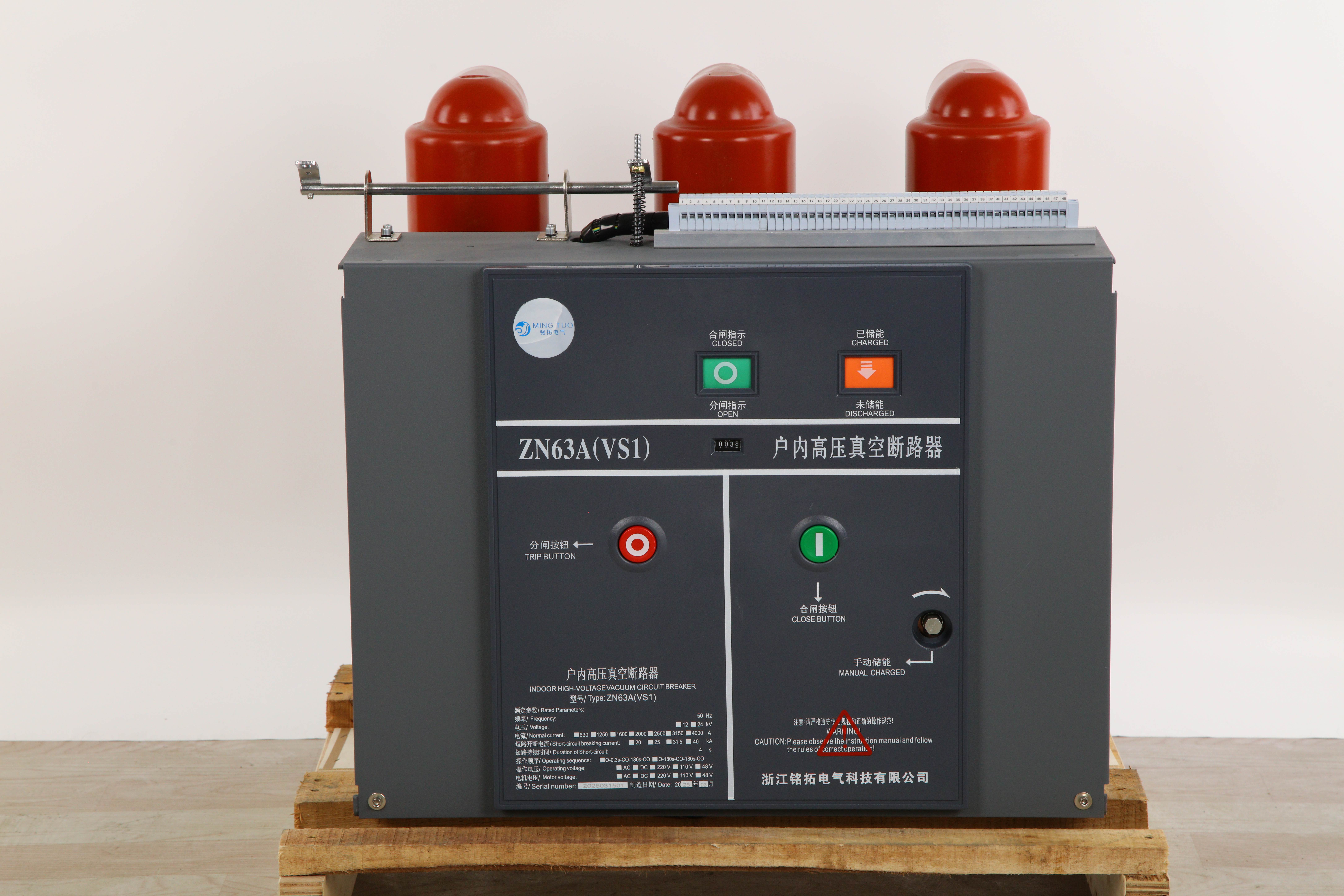
Several distinct factors determine the final market price of an 11kV vacuum circuit breaker, ranging from technical specifications to manufacturing processes and supply chain dynamics. Procurement teams must evaluate each factor systematically to ensure they obtain appropriate equipment at competitive rates without compromising on reliability or performance standards required by their applications.
Technical Specifications and Performance Ratings
Rated Current and Breaking Capacity
The rated current capacity significantly affects the price of an 11kV vacuum circuit breaker. An 11kV vacuum circuit breaker designed for higher current ratings, such as 1250 amperes or greater, requires more robust internal components, improved material grades, and enhanced vacuum chamber technology. The breaking capacity, measured in kiloamperes, directly correlates with the complexity of the internal mechanism and the quality of the vacuum interrupter itself. An 11kV vacuum circuit breaker with a 40kA breaking capacity costs substantially more than a 16kA model due to the enhanced engineering required to safely interrupt fault currents at these magnitudes. Manufacturers must invest in precision manufacturing and rigorous testing protocols when producing higher-capacity units, and these costs are reflected in the final market price.
Voltage Rating and Insulation Design
The voltage rating of an 11kV vacuum circuit breaker affects component selection and insulation requirements. While the nameplate voltage standardizes at 11kV, the actual insulation design, creepage distances, and clearances must accommodate system overvoltages and transient conditions specific to regional grid standards. An 11kV vacuum circuit breaker engineered for regions with stricter overvoltage withstand requirements necessitates superior insulation materials and more complex design geometry, increasing manufacturing costs. The insulation system quality and durability directly influence the operational lifespan of the device, making this specification critical to the overall cost-benefit analysis when purchasing an 11kV vacuum circuit breaker.
Design Features and Operating Mechanism
Manual Versus Electric Actuation
The operating mechanism type substantially influences the price of an 11kV vacuum circuit breaker. A manually operated 11kV vacuum circuit breaker contains a simpler mechanical linkage and requires less precision engineering, resulting in lower manufacturing costs. In contrast, an electrically operated or motor-driven 11kV vacuum circuit breaker incorporates additional solenoid coils, control circuits, auxiliary switches, and timing mechanisms, all of which add manufacturing complexity and material cost. Electric actuation enables remote operation and integration into automated switchgear systems, justifying the premium price many industrial facilities willingly pay for enhanced functionality and operational flexibility.
Auxiliary Equipment and Monitoring Capabilities
Modern 11kV vacuum circuit breaker designs often include integrated diagnostic features, position indicators, and communication interfaces that increase the overall price. An 11kV vacuum circuit breaker equipped with condition monitoring sensors, digital counters, or IoT connectivity commands a higher price than basic mechanical designs but provides substantial value through predictive maintenance and reduced downtime. Surge protection devices, thermal overload relays, and instantaneous trip modules integrated into the 11kV vacuum circuit breaker assembly increase both manufacturing and assembly costs, yet they enhance system protection and reduce the need for additional protective equipment.
Manufacturing Standards and Quality Certifications
International Compliance and Testing Requirements
The regulatory standards and certifications required for an 11kV vacuum circuit breaker significantly impact its price. Equipment manufactured to meet IEC 62271-100, IEEE C37.09, or other stringent international standards undergoes extensive factory acceptance testing, type testing, and third-party certification. An 11kV vacuum circuit breaker compliant with multiple regional standards requires more rigorous quality control, documented traceability, and testing procedures than devices meeting only basic domestic requirements. Manufacturers must maintain comprehensive test data, design documentation, and quality assurance records for units claiming compliance with major standards, and these administrative and technical requirements are incorporated into the product cost structure.
Material Selection and Vacuum Chamber Technology
The quality and specifications of materials used in constructing an 11kV vacuum circuit breaker directly affect both performance and price. Premium-grade copper alloys, specialized contact materials, and advanced ceramic vacuum chamber technology increase material costs significantly. An 11kV vacuum circuit breaker utilizing superior contact material compositions achieves longer operational life, better arc suppression, and lower maintenance requirements compared to economical alternatives. The vacuum interrupter itself, the core component of an 11kV vacuum circuit breaker, represents one of the largest cost factors; precision-manufactured units with extended contact life and superior dielectric strength command premium prices reflecting their superior performance characteristics.
Manufacturing Location and Supply Chain Economics
Production Geography and Labor Considerations
Manufacturing location influences the base production cost of an 11kV vacuum circuit breaker. Equipment manufactured in regions with higher labor costs and stringent manufacturing standards typically carries higher price tags than functionally equivalent units produced in lower-cost markets. However, an 11kV vacuum circuit breaker produced in established industrial centers often benefits from optimized supply chains, reliable quality systems, and established relationships with component suppliers, potentially offsetting labor cost advantages. Import tariffs, transportation costs, and regional currency fluctuations also affect the final delivered price of an 11kV vacuum circuit breaker, sometimes creating significant price variations for identical specifications across different geographic markets.
Order Volume and Production Economics
The order quantity directly influences unit pricing for an 11kV vacuum circuit breaker. Large bulk orders benefit from economies of scale, allowing manufacturers to reduce per-unit production costs through optimized setup times, improved material purchasing power, and streamlined assembly processes. Conversely, small quantity orders for an 11kV vacuum circuit breaker incur higher unit costs due to proportionally larger setup expenses and reduced manufacturing efficiency. This pricing structure explains significant price differences between procurement scenarios; a facility purchasing a single 11kV vacuum circuit breaker unit pays substantially more per unit than an industrial customer ordering fifty identical units for a regional distribution system.
FAQ
Why does an 11kV vacuum circuit breaker with higher breaking capacity cost significantly more?
Higher breaking capacity requires advanced engineering, superior component quality, and more robust construction. An 11kV vacuum circuit breaker rated for 40kA breaking capacity must safely interrupt much larger fault currents than a 16kA unit, necessitating enhanced vacuum interrupter design, stronger mechanical linkages, and more precise manufacturing tolerances. These technical requirements translate directly into increased material costs, specialized manufacturing equipment, and more extensive factory testing procedures.
How do optional features affect the total price of an 11kV vacuum circuit breaker?
Optional features such as electric actuation, remote control capabilities, integrated protection relays, and monitoring sensors add substantial cost to an 11kV vacuum circuit breaker. Each additional feature requires additional components, integration testing, and documentation. However, these features often justify their cost by enabling automation, improving operational visibility, reducing manual intervention requirements, and supporting condition-based maintenance strategies that lower total cost of ownership despite higher initial purchase price.
Can procurement teams negotiate pricing for an 11kV vacuum circuit breaker purchases?
Yes, pricing negotiation is common for an 11kV vacuum circuit breaker purchases, particularly for orders exceeding standard quantities. Manufacturers often offer volume discounts, extended payment terms, or bundled equipment pricing for substantial orders or long-term supply agreements. Building relationships with suppliers, comparing specifications across multiple manufacturers, and timing purchases strategically can all contribute to more favorable pricing for an 11kV vacuum circuit breaker without compromising on quality or delivery schedules.