 EN


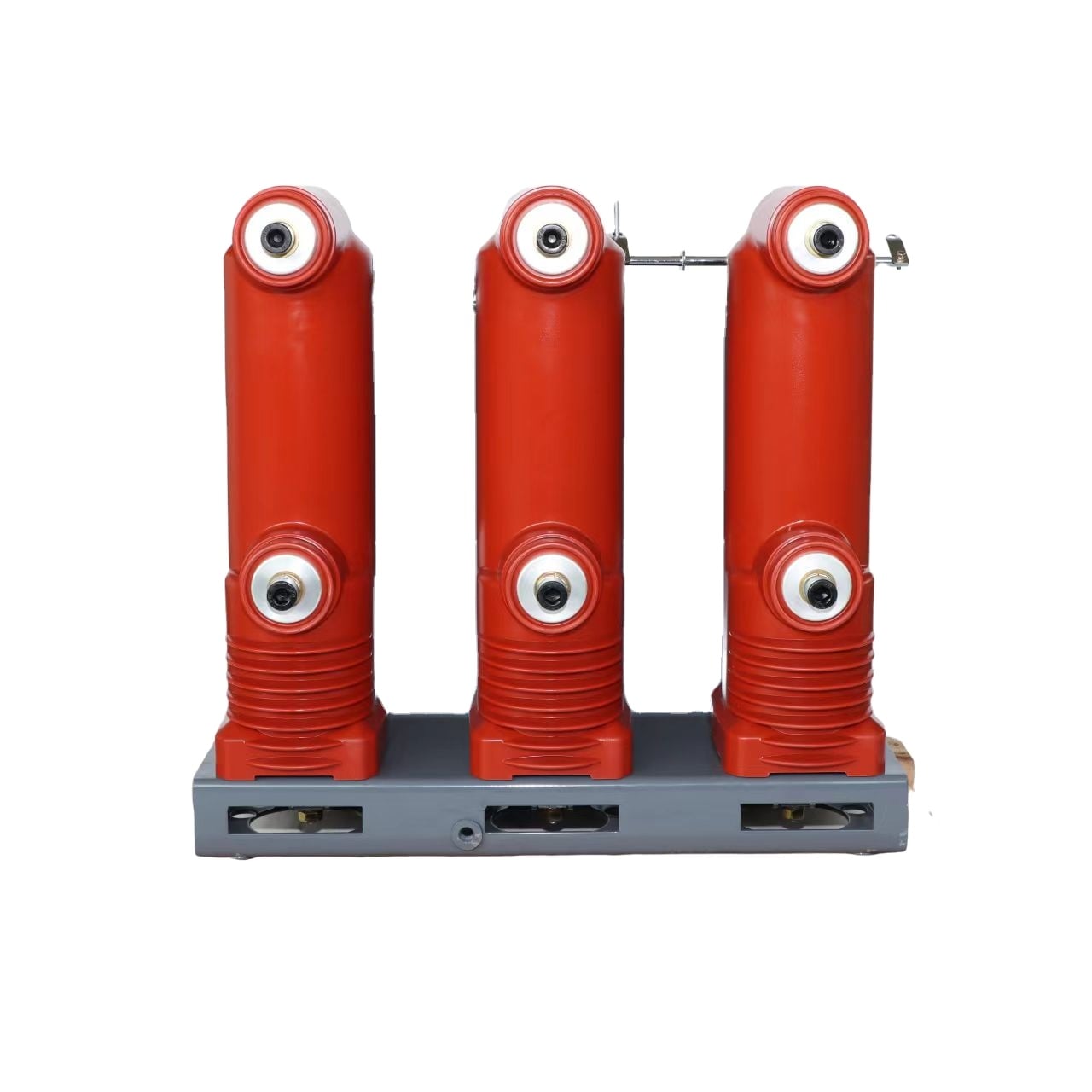
An electrical vacuum breaker is a critical component in medium voltage switchgear systems that stops electrical arcs from forming during fault interruption. The electrical vacuum breaker operates by opening contacts inside a vacuum chamber, where the absence of air eliminates the conductive path that arcs typically follow. This fundamental principle makes the electrical vacuum breaker superior to air-insulated alternatives, especially in industrial applications where reliability and safety are paramount.
The electrical vacuum breaker provides arc-free protection through a sophisticated mechanism that combines vacuum technology with advanced contact materials and design. When fault current flows through an electrical vacuum breaker, the contacts separate rapidly, and the vacuum environment prevents ionization that would normally sustain an arc. This arc suppression capability directly translates into faster fault clearing, reduced heat generation, and extended equipment lifespan across industrial and utility networks.
The Vacuum Chamber Principle Behind Arc-Free Protection
How Vacuum Eliminates Arc Formation
The electrical vacuum breaker achieves arc-free performance by exploiting the fundamental physics of electrical arcs. In conventional air-filled switchgear, when contacts separate, free electrons and ions create a conductive plasma that sustains an arc. The electrical vacuum breaker operates in a chamber where air density is reduced to near-zero levels, typically below 0.01 pascal. At such low pressures, electrons cannot gain enough energy between collisions to ionize neutral atoms, making arc formation thermodynamically impossible. This vacuum condition remains stable throughout the operational life of the electrical vacuum breaker, ensuring consistent arc suppression performance.
Contact Material Science in the Electrical Vacuum Breaker
The electrical vacuum breaker uses specialized contact materials—typically silver-based alloys—that resist erosion and metal vapor condensation. When contacts open inside an electrical vacuum breaker, minimal metal vaporizes because the vacuum environment prevents combustion reactions. The metal vapor that does form condenses back onto the contacts rather than ionizing into a conducting plasma. This self-healing property allows the electrical vacuum breaker to interrupt thousands of fault events without material degradation, a capability that dramatically extends maintenance intervals and reduces lifecycle costs.
Arc Suppression Mechanism in the Electrical Vacuum Breaker
Contact Separation Speed and Arc Quenching
The electrical vacuum breaker employs a spring-loaded operating mechanism that forces contacts apart at high velocity, typically reaching separation speeds exceeding 2 meters per second. This rapid contact separation is essential because the electrical vacuum breaker must establish sufficient distance before current zero-crossing occurs. The electrical vacuum breaker achieves arc extinction at natural current zero-crossings because the vacuum environment prevents re-ignition. Unlike air-insulated breakers that struggle to extinguish high-frequency arcs, the electrical vacuum breaker reliably quenches arcs within half a cycle, minimizing transient overvoltages and protecting downstream equipment.
Dielectric Strength of the Electrical Vacuum Breaker
The electrical vacuum breaker maintains exceptional dielectric strength between separated contacts because the vacuum environment lacks ionizable particles. Once contacts separate in an electrical vacuum breaker, the gap provides inherent insulation equal to or exceeding that of air gaps several times larger. This dielectric advantage means the electrical vacuum breaker can employ compact designs without sacrificing safety margins. For medium voltage applications ranging from 1 kV to 35 kV, the electrical vacuum breaker delivers reliable voltage isolation in smaller footprints than comparable air-insulated or oil-immersed alternatives, directly addressing industrial space constraints and installation costs.
Performance Advantages of the Electrical Vacuum Breaker in Switchgear
Heat Management and Thermal Performance
The electrical vacuum breaker generates minimal heat during fault interruption because arc energy is eliminated rather than dissipated. In conventional switchgear, fault arcs release tremendous energy as heat that must be managed through ventilation or oil circulation systems. The electrical vacuum breaker avoids this thermal burden entirely, allowing switchgear to be installed in confined spaces where cooling capacity is limited. Industrial facilities operating the electrical vacuum breaker in harsh environments—chemical plants, petrochemical installations, and power distribution centers—benefit from reduced thermal stress on adjacent equipment and simplified maintenance schedules.
Contact Durability and Erosion Resistance
The electrical vacuum breaker experiences minimal contact erosion because the vacuum environment prevents oxidation and metal loss mechanisms present in air-filled devices. Standard electrical vacuum breaker contacts maintain their original geometry and contact pressure through thousands of switching cycles, whereas air-insulated breakers require periodic reconditioning or replacement. This durability advantage translates into extended operational intervals, lower spare parts inventory, and reduced downtime for industrial operators relying on continuous switchgear availability. The electrical vacuum breaker's contact longevity directly supports predictive maintenance strategies and asset lifecycle optimization.
Environmental and Operational Safety
The electrical vacuum breaker eliminates environmental hazards associated with oil-filled or SF6-based alternatives. The electrical vacuum breaker contains no combustible fluids, produces no toxic byproducts during fault clearing, and requires no special disposal procedures. For facilities subject to environmental regulations or operating in sensitive locations near populated areas, the electrical vacuum breaker offers compliance advantages alongside operational safety. The electrical vacuum breaker's clean interruption mechanism also reduces arc-related noise and electromagnetic interference compared to conventional switchgear, benefiting adjacent instrumentation and control systems in industrial environments.
FAQ
What is the maximum interrupting capacity of an electrical vacuum breaker?
Modern electrical vacuum breaker designs achieve interrupting capacities exceeding 100 kA at rated voltages up to 35 kV, matching or surpassing conventional switchgear standards. The electrical vacuum breaker's arc suppression efficiency allows manufacturers to achieve these ratings in compact form factors. Specific interrupting capacity depends on contact geometry, separator design, and operating mechanism specifications within the electrical vacuum breaker.
How often should an electrical vacuum breaker require maintenance?
An electrical vacuum breaker typically requires minimal maintenance compared to oil-filled or air-insulated alternatives, with condition-based inspection intervals often exceeding five years in normal industrial duty cycles. The electrical vacuum breaker's sealed vacuum chamber and self-healing contacts eliminate many wear mechanisms requiring routine attention. Maintenance programs for the electrical vacuum breaker should focus on mechanical linkages and operating mechanisms rather than contact reconditioning or dielectric fluid replacement.
Can an electrical vacuum breaker operate in extreme temperature environments?
The electrical vacuum breaker operates reliably across ambient temperature ranges from -40°C to +55°C or higher depending on design specifications and operating mechanism lubricants. The electrical vacuum breaker's vacuum seal remains integrity across temperature fluctuations without degradation, unlike oil-filled systems that experience viscosity changes. Industrial installations deploying the electrical vacuum breaker in arctic conditions or high-temperature regions benefit from stable performance without fluid management complications.