 EN
EN


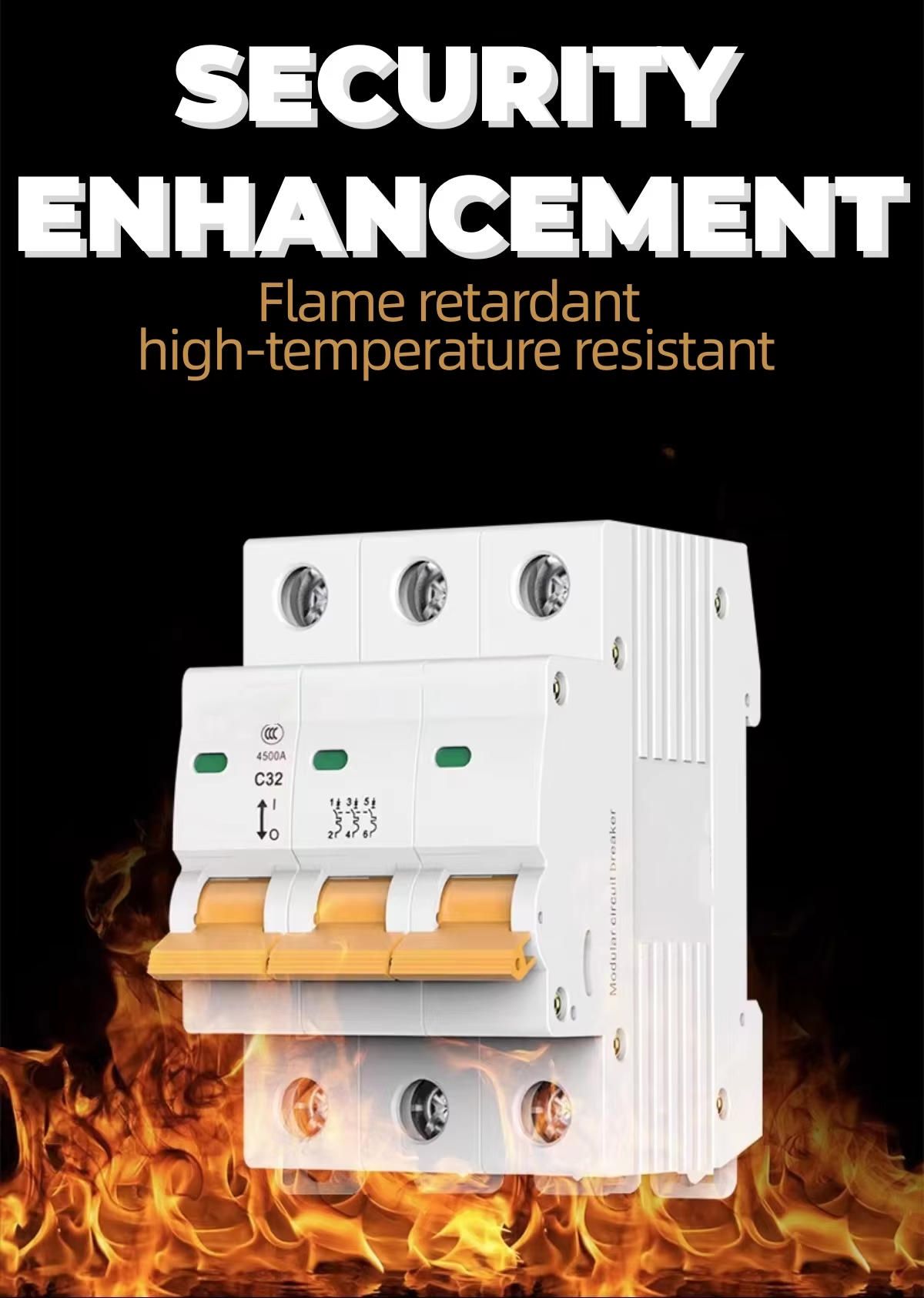
Introduction: The Critical Role of MCBs in Modern Automation
In the world of industrial automation, motors are the workhorses. From conveyor belts in logistics centers to high-precision robotic arms in automotive assembly lines, electric motors drive productivity. However, motors are sensitive components. An unexpected short circuit or a sustained overload can lead to catastrophic failure, resulting in expensive downtime and equipment replacement.
Choosing the right Miniature Circuit Breaker (MCB) is not merely a matter of matching current ratings; it is about selecting a precision protection device that understands the unique starting characteristics of motors. This article explores how to select MCBs to ensure the longevity of your automation systems.
1. Understanding the Two Pillars of Protection
An MCB provides two essential forms of protection within a single compact device:
Thermal Protection (Overload)
When a motor runs slightly above its rated current for an extended period (perhaps due to a mechanical jam or bearing wear), the internal bimetallic strip in the MCB heats up and bends, eventually tripping the mechanism. This prevents the motor windings from overheating and burning out.
Magnetic Protection (Short Circuit)
In the event of a direct short circuit, the current spike is massive. A magnetic coil within the MCB creates an instantaneous force that trips the breaker in milliseconds. This protects the entire automation circuit from fire and severe damage.
2. The Science of Trip Curves: B, C, or D?
The most common mistake in B2B procurement is ignoring the "Trip Curve." For motor protection, this is the most critical technical specification.
- Type B: Trips at 3–5 times the rated current. Ideal for purely resistive loads like heaters and domestic lighting. Not suitable for motors.
- Type C: Trips at 5–10 times the rated current. This is the "standard" for general industrial applications and small motors with low inrush currents.
- Type D: Trips at 10–20 times the rated current. Designed specifically for high-inrush loads like large industrial motors, transformers, and X-ray machines.
Pro Tip: For most automation environments involving induction motors, Type C or Type D is required. Using a Type B breaker will result in "nuisance tripping" every time the motor starts, as the initial surge will be interpreted as a fault.
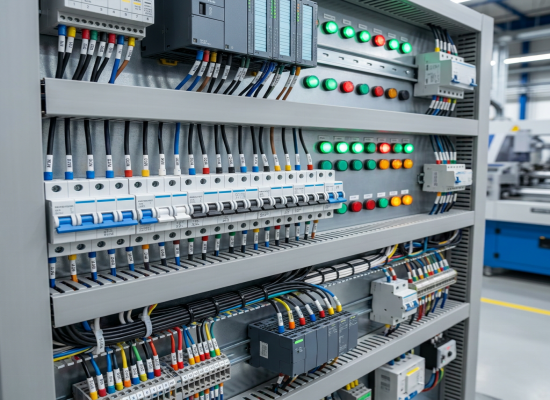
3. Integrating RCCBs for Comprehensive Safety
While MCBs protect the machinery, Residual Current Circuit Breakers (RCCB) protect people and prevent electrical fires caused by earth leakage. In automated factories where sensors and cables are everywhere, insulation can fray over time due to constant motion.
An RCCB detects tiny leakages (typically 30mA or 300mA) and cuts power before a human is shocked or a fire starts. For a complete "precision protection" strategy, Mingtuo recommends a combination of MCBs for overcurrent and RCCBs for leakage.
4. Reliability in High-Vibration Environments
Industrial automation is rarely a static environment. Machines vibrate, and control cabinets are often mounted on or near moving equipment. A low-quality MCB can suffer from "contact chatter" or accidental tripping due to mechanical shock.
Mingtuo's MCB series features:
- Reinforced Terminal Housing: Prevents cable loosening due to vibration.
- High-Quality Internal Springs: Ensures consistent tripping force regardless of environmental movement.
- Heat Dissipation Design: Side-venting allows multiple MCBs to be packed tightly on a DIN rail without overheating.
5. Why Precision Matters for Your ROI
If an MCB trips too late, your motor burns out—a cost of thousands of dollars. If it trips too early (nuisance trip), your production line stops—a cost of hundreds of dollars per minute.
By sourcing precision-calibrated MCBs from a specialized manufacturer like Mingtuo Electric, you are investing in "Predictable Uptime." Our breakers are tested to IEC 60898-1 and 60947-2 standards, ensuring that when we say a breaker trips at 10x current, it does so with mathematical precision.
Conclusion: Engineering a Safer Factory
Selecting the right MCB for automation is an engineering decision, not just a procurement one. By matching the trip curve to your motor load and ensuring high-vibration resistance, you create a resilient power distribution network.
Whether you are an OEM building control panels or a factory manager upgrading your line, Mingtuo’s range of MCBs and protection devices provides the technical excellence required for the next generation of industrial automation.
Table of Contents
- Introduction: The Critical Role of MCBs in Modern Automation
- 1. Understanding the Two Pillars of Protection
- 2. The Science of Trip Curves: B, C, or D?
- 3. Integrating RCCBs for Comprehensive Safety
- 4. Reliability in High-Vibration Environments
- 5. Why Precision Matters for Your ROI
- Conclusion: Engineering a Safer Factory