 EN
EN

Introduction: The Compliance Landscape for Electrical Imports
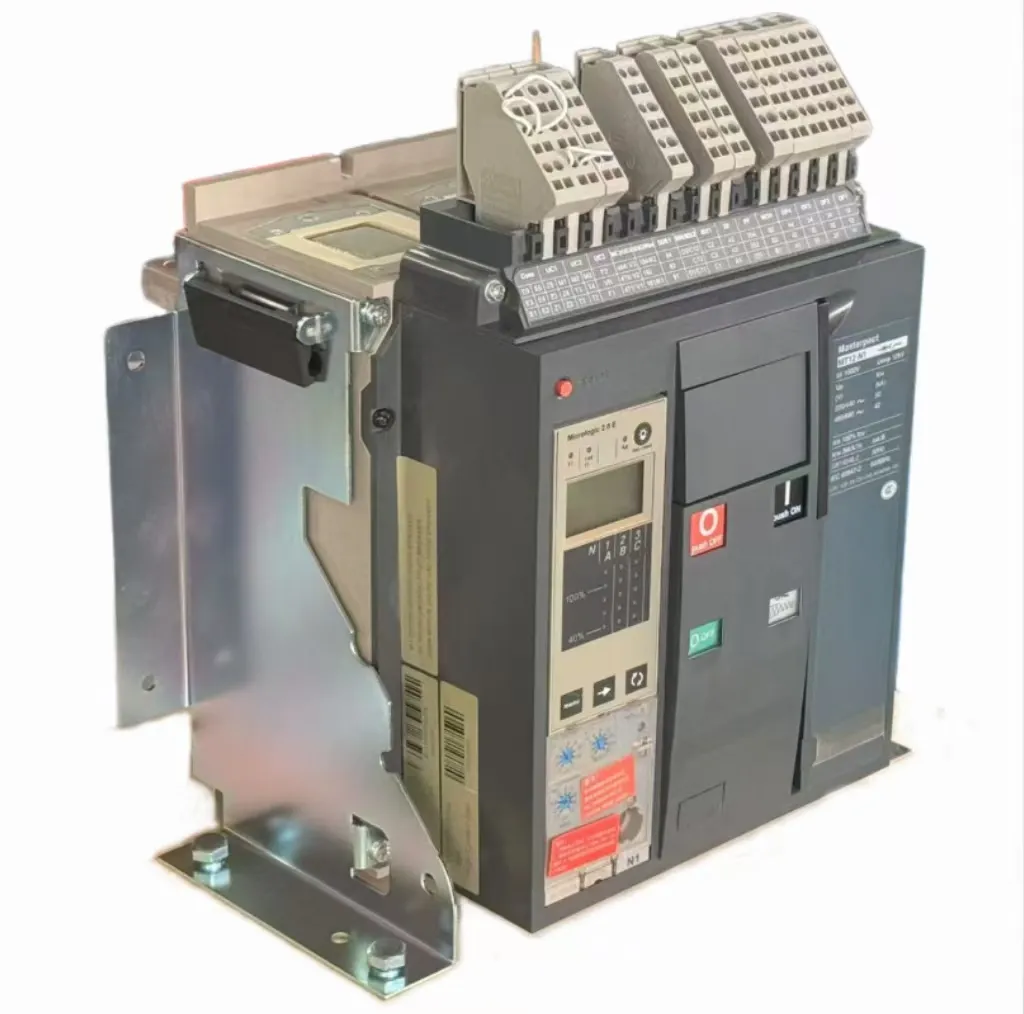
For global importers and B2B procurement managers, sourcing electrical components like Molded Case Circuit Breakers (MCCB), Air Circuit Breakers (ACB), and industrial socket boxes from international markets—particularly China—is a strategic move to optimize costs. However, the complexity of global safety standards and environmental regulations can be a significant hurdle.
Electrical failures are not just operational inconveniences; they are legal and safety liabilities. This is why understanding certifications like CE, ISO, and RoHS is not optional—it is a prerequisite for a sustainable supply chain. This guide decodes these essential certifications to help you navigate the regulatory landscape with confidence.
1. CE Marking: The Passport to the European Economic Area (EEA)
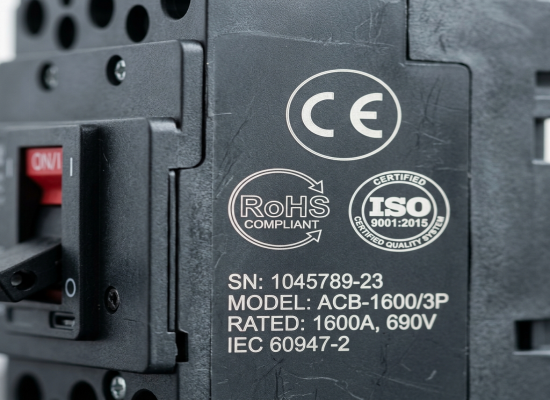
If you are importing into the European Union or surrounding regions, the CE (Conformité Européenne) mark is mandatory. It signifies that the product meets the high safety, health, and environmental protection requirements of the EU.
Understanding the Directives
For electrical distribution equipment, two primary directives govern CE compliance:
- Low Voltage Directive (LVD) 2014/35/EU: This applies to electrical equipment designed for use with a voltage rating between 50 and 1000 V for alternating current and between 75 and 1500 V for direct current. It ensures that components like circuit breakers do not pose a danger to people, animals, or property.
- Electromagnetic Compatibility (EMC) Directive 2014/30/EU: This ensures that electrical equipment does not generate, or is not affected by, electromagnetic disturbance. This is critical for smart circuit breakers and electronic trip units that operate in electronically "noisy" industrial environments.
Why It Matters for B2B Buyers
A CE-certified product from a manufacturer like Mingtuo Electric indicates that the product has undergone rigorous testing against Harmonized Standards (such as IEC/EN 60947 series for circuit breakers). Without this, your goods could be seized at customs, and you could face severe fines or liability in the event of an electrical fire.
2. ISO 9001: The Benchmark for Quality Management Systems
While CE is about the *product*, ISO 9001 is about the *process*. It is an international standard that specifies requirements for a Quality Management System (QMS).
Consistency in Manufacturing
For B2B partners, an ISO 9001 certification is a guarantee of consistency. It means the manufacturer has established documented procedures for:
- Raw Material Sourcing: Ensuring that the copper and plastics used in your MCBs meet specific purity and flame-retardant standards.
- Production Control: Every stage of assembly is monitored to prevent defects.
- Testing and Validation: 100% of units undergo basic dielectric and functional tests before leaving the factory.
At Mingtuo, our ISO 9001 certification isn't just a plaque on the wall; it represents our commitment to "zero-defect" manufacturing, which translates to fewer RMAs (Return Merchandise Authorizations) and higher project ROI for our clients.
3. RoHS Compliance: Environmental Responsibility and Market Access
The RoHS (Restriction of Hazardous Substances) directive restricts the use of specific hazardous materials found in electrical and electronic products.
The "Big Ten" Restricted Substances
RoHS limits the use of lead, mercury, cadmium, hexavalent chromium, and several flame retardants (PBBs and PBDEs). In the context of electrical gear:
- Lead-free soldering: Critical for internal PCBs in electronic MCCBs.
- Chrome-VI-free plating: Essential for the metal components within enclosures and switchgear.
Beyond the EU
While RoHS originated in Europe, many countries (including China and the USA) have adopted similar "Green" regulations. Importing RoHS-compliant gear ensures that your brand is protected against changing environmental laws and appeals to ESG-conscious (Environmental, Social, and Governance) stakeholders.
4. How to Verify Certification Authenticity
As an importer, you must perform due diligence. Counterfeit or "self-declared" certificates without valid testing are a risk.
- Request the Full Test Report: A one-page certificate is not enough. Ask for the full IEC/EN test report from a third-party laboratory (like TUV, SGS, or Intertek).
- Verify via Online Portals: Most certification bodies have QR codes or serial numbers that can be checked on their official websites.
- Check the Scope: Ensure the certificate actually covers the specific model number you are purchasing.
5. Mingtuo's Commitment to Global Standards
At Mingtuo Electric, we recognize that our global partners rely on our compliance to protect their reputations. Our R&D and production cycles are built around international safety norms.
Whether it is our MTM1 series MCCBs or our IP67-rated socket boxes, every product is designed to meet or exceed CE and RoHS requirements. By maintaining an ISO 9001-certified factory, we ensure that the 10,000th unit you buy is just as reliable as the first.
Conclusion
Navigating electrical certifications can be complex, but it is the foundation of a successful B2B partnership. By prioritizing CE, ISO, and RoHS, you ensure that your projects are safe, your supply chain is sustainable, and your business is legally compliant.
When sourcing from China, choose a partner like Mingtuo who understands these global requirements as well as you do.
Table of Contents
- Introduction: The Compliance Landscape for Electrical Imports
- 1. CE Marking: The Passport to the European Economic Area (EEA)
- 2. ISO 9001: The Benchmark for Quality Management Systems
- 3. RoHS Compliance: Environmental Responsibility and Market Access
- 4. How to Verify Certification Authenticity
- 5. Mingtuo's Commitment to Global Standards
- Conclusion