 EN
EN


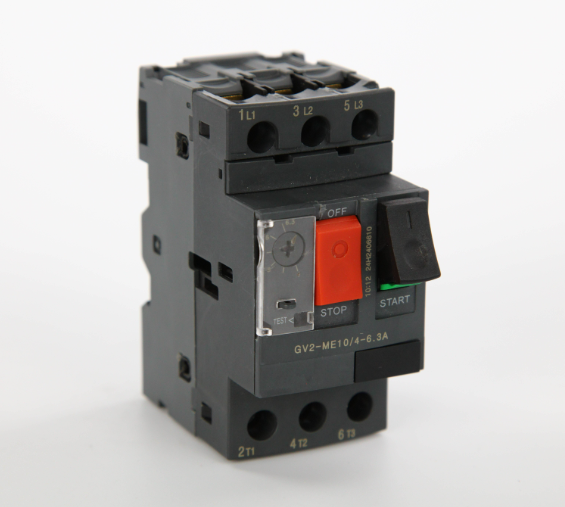
Electrical protection equipment forms the backbone of industrial power distribution systems, and selecting the right circuit breaker technology directly impacts operational safety, maintenance costs, and system reliability. When comparing different circuit breaker configurations, understanding the distinctions between model case variations and standard molded case circuit breakers becomes essential for procurement managers, electrical engineers, and facility planners. The term "model case" typically refers to specific product series or design iterations within the broader molded case circuit breaker category, while standard MCCBs represent the conventional baseline specifications widely adopted across industrial applications. This comparison examines how these variations differ in construction, performance characteristics, application suitability, and total cost of ownership.
The fundamental question driving this comparison centers on how manufacturers differentiate their product lines within the molded case circuit breaker family, and whether these distinctions translate into measurable advantages for specific installation environments. Model case circuit breakers often represent enhanced versions with improved interrupting capacity, advanced tripping mechanisms, or specialized features targeting particular industrial segments, whereas standard MCCBs deliver proven baseline protection using established design principles. Both categories serve the critical function of safeguarding electrical circuits from overload and short-circuit conditions, but their engineering approaches, component quality, certification standards, and operational parameters may vary significantly. Understanding these differences enables informed specification decisions that align protection equipment capabilities with actual electrical system demands and risk profiles.
Core Design Philosophy and Engineering Approach
Structural Architecture Differences
The structural design of model case circuit breakers often incorporates advanced materials and precision manufacturing techniques that exceed standard molded case circuit breaker specifications. Model case versions typically feature reinforced housing assemblies using high-grade thermoplastic compounds with superior arc resistance and thermal stability, whereas standard MCCBs utilize conventional molded casings meeting baseline UL and IEC requirements. The contact system architecture in model case variants frequently employs silver-alloy compositions optimized for reduced contact resistance and extended electrical life, compared to standard contact materials found in basic molded case circuit breaker designs. Internal arc chutes in enhanced model case versions utilize refined geometries and magnetic materials that accelerate arc extinction, resulting in faster fault clearing times and reduced let-through energy compared to standard configurations.
Manufacturing precision directly influences dimensional consistency and mechanical reliability across the product lifecycle. Model case circuit breakers manufactured under tighter tolerance controls exhibit more predictable tripping characteristics and mechanical endurance compared to standard molded case circuit breaker production. The terminal connection systems in model case variants often incorporate larger contact surfaces and improved clamping mechanisms that accommodate wider conductor ranges while maintaining lower connection resistance. These engineering refinements contribute to reduced thermal stress at termination points and lower long-term maintenance requirements. Standard MCCBs meet industry baseline specifications for terminal design but may require more frequent retorquing in high-vibration environments or applications with frequent load cycling.
Tripping Mechanism Technology
The tripping mechanism represents the core functional difference between model case and standard molded case circuit breaker implementations. Advanced model case versions frequently incorporate microprocessor-based electronic trip units providing programmable protection parameters, ground fault detection, and communication interfaces for integration with building management systems. Standard MCCBs typically rely on thermal-magnetic trip mechanisms using bimetallic strips for overload protection and electromagnetic coils for short-circuit response, offering fixed or limited adjustability. The precision of trip curve characteristics differs substantially, with model case electronic trip units achieving accuracy within two percent of setpoint compared to the ten to twenty percent tolerance bands typical of standard thermal-magnetic molded case circuit breakers.
Selective coordination capabilities become significantly enhanced in model case circuit breakers equipped with programmable time-current characteristics, allowing precise discrimination between upstream and downstream protective devices. Standard molded case circuit breaker coordination relies on fixed trip curves that may require oversizing or compromise protection sensitivity to achieve selectivity. Advanced model case versions offer zone-selective interlocking functions that communicate fault location information between devices, enabling rapid fault isolation while maintaining service to unaffected circuits. These sophisticated protection strategies prove particularly valuable in critical facilities where service continuity and fault localization directly impact operational costs and safety outcomes. Standard MCCBs provide reliable fundamental protection but lack the coordination flexibility demanded by complex distribution architectures.
Performance Specifications and Operational Capabilities
Interrupting Capacity and Fault Current Handling
Model case circuit breakers frequently offer higher interrupting ratings compared to standard molded case circuit breaker configurations within equivalent frame sizes. Enhanced model case versions may achieve interrupting capacities of fifty to one hundred kiloamperes at rated voltage, whereas standard MCCBs typically range from twenty-five to fifty kiloamperes depending on frame size and application voltage. This increased interrupting capability derives from optimized arc chute design, stronger contact spring systems, and improved magnetic blow-off mechanisms that rapidly extinguish fault arcs. The higher interrupting ratings enable model case circuit breakers to protect circuits closer to service entrance points or in industrial facilities with substantial fault current availability from utility supplies or on-site generation.
Fault current limitation characteristics differ between model case and standard molded case circuit breaker designs, affecting downstream equipment stress during fault conditions. Advanced model case versions incorporating current-limiting technology restrict peak let-through current to fractions of available prospective fault current, reducing electromagnetic forces and thermal stress on conductors, bus bars, and connected equipment. Standard MCCBs without current-limiting features allow higher peak currents to develop before contact separation and arc voltage limit current magnitude. The energy limitation provided by model case current-limiting designs extends the service life of electrical distribution components and may eliminate the need for expensive fault-withstand upgrades in existing installations experiencing increased fault current levels due to system expansion or utility supply changes.
Operating Temperature Range and Environmental Durability
Environmental operating specifications often distinguish model case circuit breakers from standard molded case circuit breaker offerings, particularly regarding temperature extremes and ambient conditions. Model case variants designed for harsh environments typically maintain specified performance across temperature ranges from negative forty to seventy degrees Celsius, whereas standard MCCBs commonly specify negative twenty-five to fifty-five degree operational limits. The expanded temperature capability results from calibrated trip element compensation, superior housing material properties, and validated thermal performance under extreme conditions. Industrial facilities with outdoor installations, process heating equipment, or cold storage applications benefit from the extended environmental range provided by specialized model case circuit breaker designs.
Resistance to vibration, shock, and corrosive atmospheres varies substantially between enhanced model case and standard molded case circuit breaker constructions. Model case versions targeting marine, petrochemical, or heavy industrial applications incorporate conformal coatings on electronic components, sealed contact chambers, and reinforced mounting provisions that exceed standard MCCB specifications. The enhanced environmental protection ensures reliable operation in applications where standard molded case circuit breakers experience accelerated degradation or premature failure. Certification to specialized environmental standards such as maritime classification society requirements or oil and gas industry specifications typically applies to model case variants rather than baseline standard MCCB products.
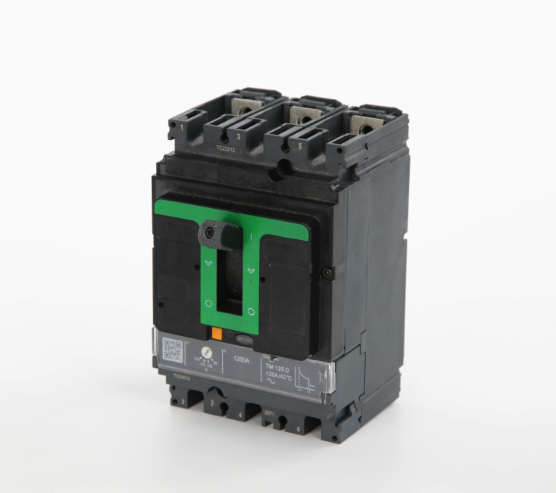
Application Suitability and Installation Considerations
Load Profile Matching and Sizing Optimization
The selection between model case and standard molded case circuit breaker configurations depends critically on load characteristics and application demands. Model case circuit breakers with electronic trip units excel in applications involving motor loads, variable frequency drives, or non-linear loads requiring sophisticated protection algorithms and harmonic immunity. Standard MCCBs perform adequately for resistive heating loads, basic lighting circuits, and applications with stable load profiles where thermal-magnetic protection characteristics align well with load behavior. The programmable settings available in model case electronic versions enable precise matching of protection characteristics to specific load requirements, reducing nuisance tripping while maintaining appropriate fault protection.
Frame size selection strategies differ when comparing model case and standard molded case circuit breaker options for identical load currents. Model case versions with higher interrupting ratings may allow smaller frame sizes in high-fault-current applications, reducing panel space requirements and installation costs despite potentially higher unit costs. Standard MCCBs might require oversizing to achieve adequate interrupting capacity, consuming more panel space and potentially necessitating larger enclosures. The compact footprint available in some model case circuit breaker designs proves particularly valuable in retrofit projects where panel space limitations constrain upgrade options. Conversely, standard molded case circuit breakers offer cost advantages when interrupting capacity demands remain modest and advanced protection features provide no operational benefit.
Installation Environment and Mounting Requirements
Physical installation characteristics between model case and standard molded case circuit breaker types affect panel design, wiring practices, and maintenance accessibility. Model case variants frequently offer multiple mounting orientations and accessory options including auxiliary contacts, shunt trips, undervoltage releases, and motor operators that standard MCCBs may not accommodate or support with equivalent functionality. The modular accessory architecture in advanced model case circuit breakers enables field customization and future feature additions without breaker replacement. Standard molded case circuit breakers typically provide limited accessory compatibility and may require factory configuration for specialized functions.
Terminal configurations and conductor accommodation differ between model case and standard molded case circuit breaker designs, influencing wiring labor and material costs. Enhanced model case versions often incorporate dual-rated terminals accepting both aluminum and copper conductors across wider size ranges, whereas standard MCCBs may specify copper-only or require derating for aluminum conductors. The terminal torque specifications and connection accessibility in model case designs frequently reflect consideration for installation efficiency and maintenance convenience. Standardized mounting dimensions and terminal positions across model case product families simplify panel layout and enable efficient installation practices. Standard molded case circuit breakers from different manufacturers may exhibit dimensional variations that complicate multi-source procurement strategies and panel standardization efforts.
Lifecycle Cost Analysis and Value Proposition
Initial Procurement and Installed Cost Comparison
The purchase price differential between model case and standard molded case circuit breaker products typically ranges from twenty to one hundred percent depending on frame size, features, and performance specifications. Standard MCCBs deliver the lowest initial acquisition cost when protection requirements align with baseline thermal-magnetic specifications and modest interrupting ratings. Model case circuit breakers command premium pricing reflecting advanced materials, sophisticated electronics, higher testing and certification costs, and enhanced performance capabilities. The justified price premium depends on whether application requirements mandate the superior specifications or whether standard molded case circuit breaker capabilities adequately address protection needs without over-specification.
Installation labor costs may favor model case circuit breakers despite higher equipment costs when advanced features reduce installation complexity or enable space-saving panel designs. The communication capabilities in model case electronic versions eliminate separate metering and monitoring equipment, reducing overall installed system costs. Time-saving terminal designs and clear indication features in model case variants can reduce commissioning time and simplify startup procedures. Standard molded case circuit breakers require minimal installation labor but may necessitate additional components for monitoring, coordination, or specialized protection functions that model case products integrate within single devices. Comprehensive project cost analysis should evaluate total installed system cost rather than isolated equipment pricing when comparing alternatives.
Operational Reliability and Maintenance Requirements
Long-term reliability metrics distinguish model case circuit breakers from standard molded case circuit breaker alternatives through mechanical endurance ratings, electrical life specifications, and failure mode characteristics. Model case versions targeting critical applications often specify mechanical life exceeding twenty-five thousand operations and electrical life ratings appropriate for frequent switching or motor control applications. Standard MCCBs typically specify ten to fifteen thousand mechanical operations and electrical life based on infrequent fault interruption rather than regular switching duty. The extended operational life of model case products reduces replacement frequency and associated downtime costs in applications requiring regular circuit isolation for maintenance or process requirements.
Maintenance interval requirements and predictive maintenance capabilities differ substantially between model case electronic and standard thermal-magnetic molded case circuit breaker technologies. Advanced model case versions provide diagnostic data including trip history, load current trending, and contact wear indication that enable condition-based maintenance strategies and early intervention before failure. Standard molded case circuit breakers require periodic manual inspection and testing to assess operational status, with limited indication of degradation until functional failure occurs. The reduced maintenance burden and improved reliability prediction offered by model case circuit breakers deliver operational cost savings that may offset higher initial investment over multi-year service life, particularly in facilities where unplanned downtime carries significant production loss or safety consequences.
Standards Compliance and Certification Considerations
Testing and Certification Scope
Certification breadth distinguishes many model case circuit breakers from standard molded case circuit breaker products, particularly regarding international standards recognition and specialized industry approvals. Model case versions targeting global markets typically achieve certification to multiple standards including UL, IEC, CSA, and various national specifications, whereas standard MCCBs may certify primarily to domestic market requirements. The multi-standard certification enables model case products to support international projects and multinational facility standardization programs. Standard molded case circuit breakers meeting single-market certifications serve domestic applications cost-effectively but may require alternative product selection for international installations.
Specialized certifications for marine, hazardous location, or seismic applications apply selectively to model case circuit breaker variants rather than standard MCCB product lines. The testing rigor and documentation supporting specialized certifications add cost and complexity that manufacturers apply to model case versions serving specific market segments. Standard molded case circuit breakers certified to general-purpose ratings lack the specialized approvals required for regulated industries or extreme environments. Equipment specifiers must verify certification scope when comparing alternatives to ensure compliance with applicable codes and standards governing specific installations. Model case products with comprehensive certification portfolios reduce approval delays and specification risks in complex projects subject to multiple regulatory jurisdictions.
Performance Verification and Quality Assurance
Manufacturing quality assurance protocols differ between model case and standard molded case circuit breaker production, affecting product consistency and field reliability. Model case circuit breaker manufacturers often implement comprehensive testing of every unit including trip calibration verification, high-potential testing, and mechanical operation validation, whereas standard MCCB production may employ statistical sampling approaches. The one hundred percent testing protocol ensures that every model case circuit breaker meets specifications before shipment, reducing field commissioning issues and warranty claims. Standard molded case circuit breakers manufactured under sampling-based quality programs deliver adequate reliability for most applications but exhibit wider performance variation unit-to-unit.
Traceability and documentation practices associated with model case circuit breakers typically exceed standard molded case circuit breaker norms, providing detailed test records, calibration data, and manufacturing history for each unit. The enhanced documentation supports regulatory compliance in industries requiring equipment qualification records and facilitates troubleshooting when performance questions arise during operation. Standard MCCBs provide basic certification documentation but may lack detailed individual unit test records. Critical facility applications, regulated industries, and projects requiring comprehensive equipment documentation benefit from the rigorous quality assurance and record-keeping practices associated with model case circuit breaker production.
FAQ
What fundamental difference defines model case circuit breakers versus standard MCCBs?
Model case circuit breakers typically represent enhanced product series within the broader molded case circuit breaker category, featuring advanced materials, higher interrupting ratings, electronic trip options, and specialized capabilities beyond baseline standard MCCB specifications. Standard molded case circuit breakers provide proven thermal-magnetic protection meeting fundamental industry requirements at lower cost points. The distinction reflects manufacturer product line differentiation rather than separate device categories, with model case versions targeting applications demanding superior performance, advanced features, or specialized certifications that standard MCCBs do not provide.
How does interrupting capacity comparison influence product selection?
Interrupting capacity represents the maximum fault current a molded case circuit breaker can safely clear without damage, directly determining its placement within electrical distribution systems. Model case circuit breakers frequently offer fifty to one hundred kiloampere interrupting ratings within comparable frame sizes to standard MCCBs rated twenty-five to fifty kiloamperes. Applications near service entrance points, industrial facilities with high available fault current, or systems experiencing fault current increases due to expansion require the higher interrupting capacity provided by model case versions. Standard molded case circuit breakers adequately protect branch circuits and locations with limited fault current availability, where their lower interrupting ratings meet system requirements at reduced cost.
Do electronic trip units in model case versions justify their cost premium?
Electronic trip units provide programmable protection parameters, precise trip characteristics, ground fault detection, load monitoring, and communication capabilities that thermal-magnetic mechanisms in standard molded case circuit breakers cannot deliver. The cost justification depends on whether these capabilities address specific application needs such as selective coordination requirements, integration with building management systems, predictive maintenance programs, or specialized protection algorithms for motor or harmonic-rich loads. Facilities requiring basic overload and short-circuit protection without advanced features achieve adequate performance from standard thermal-magnetic molded case circuit breakers at substantially lower cost. Critical applications, complex distribution systems, or installations demanding operational data benefit from electronic trip technology despite higher initial investment.
Can standard MCCBs be upgraded to model case specifications in existing installations?
Direct replacement of standard molded case circuit breakers with model case versions depends on dimensional compatibility, panel space availability, and electrical system requirements. Many model case circuit breakers maintain mounting dimensions compatible with standard MCCB footprints, enabling straightforward retrofits when interrupting capacity or protection capability upgrades become necessary. However, electronic trip versions may require additional panel depth, auxiliary power connections, or communication wiring not present in original installations designed for basic thermal-magnetic molded case circuit breakers. Upgrade feasibility requires verifying physical compatibility, electrical system characteristics including available fault current, and whether existing panel bus ratings accommodate higher interrupting capacity devices. Retrofit projects benefit from consulting manufacturer technical specifications and potentially conducting short-circuit studies to ensure appropriate equipment application.
Table of Contents
- Core Design Philosophy and Engineering Approach
- Performance Specifications and Operational Capabilities
- Application Suitability and Installation Considerations
- Lifecycle Cost Analysis and Value Proposition
- Standards Compliance and Certification Considerations
-
FAQ
- What fundamental difference defines model case circuit breakers versus standard MCCBs?
- How does interrupting capacity comparison influence product selection?
- Do electronic trip units in model case versions justify their cost premium?
- Can standard MCCBs be upgraded to model case specifications in existing installations?