 EN
EN


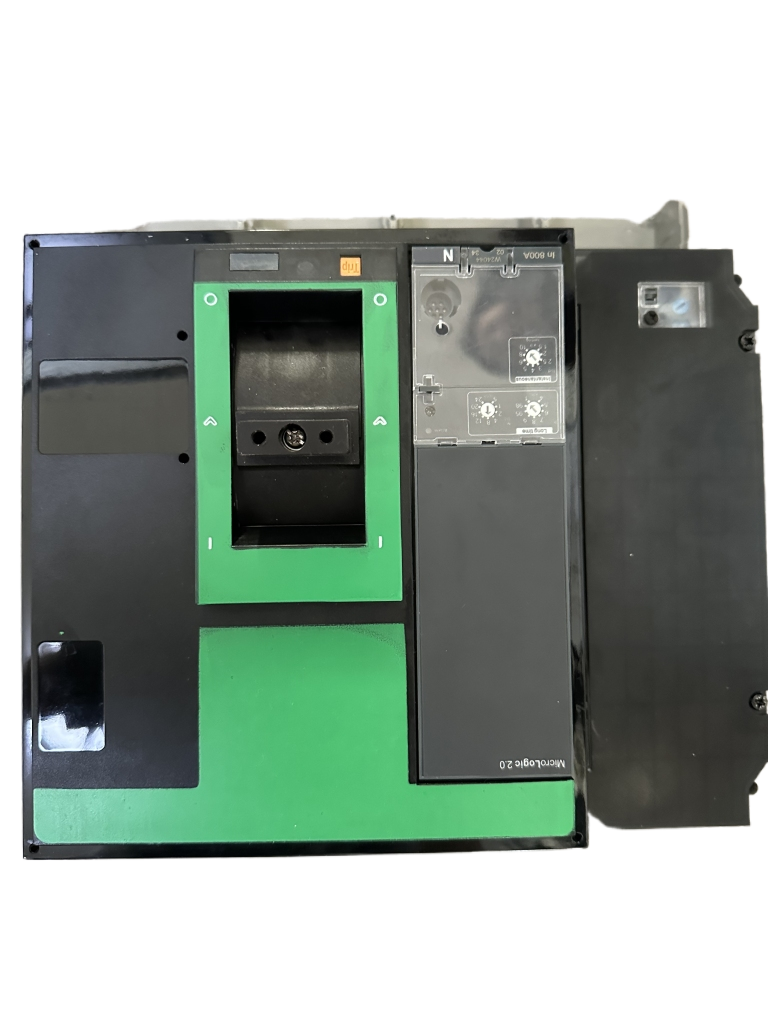
A deep socket box is a specialized electrical component designed to accommodate complex wiring configurations and provide adequate space for multiple conductor connections. Understanding when a deep socket box becomes necessary is essential for electricians, contractors, and facility managers responsible for safe and compliant electrical installations. The decision to use a deep socket box directly impacts installation quality, safety compliance, and long-term maintenance accessibility.
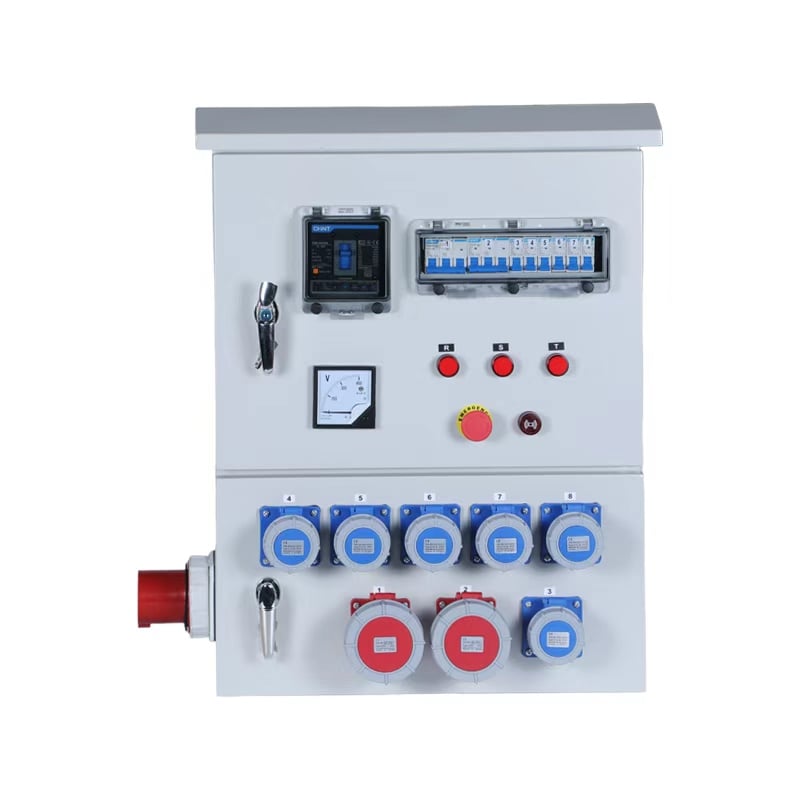
Choosing between standard and deep socket boxes requires careful evaluation of your specific wiring requirements. A deep socket box offers significantly more internal volume than shallow alternatives, allowing for proper bend radii, conductor spacing, and terminal connections. This enhanced capacity directly addresses the challenges faced in modern industrial, commercial, and complex residential electrical systems where space constraints and safety regulations demand superior solutions.
Understanding Deep Socket Box Design and Capacity Requirements
Internal Volume and Conductor Accommodation
The fundamental purpose of a deep socket box is to provide sufficient internal space for electrical conductors, terminals, and connection points. Standard shallow boxes often create dangerous conditions when multiple wires must bend sharply or when overcrowding prevents proper insulation. A deep socket box accommodates larger conductor cross-sections and maintains the minimum bend radius required by electrical codes. When you have four or more conductors entering a single box, or when using conductors larger than 2.5mm², a deep socket box becomes practically necessary.
Code Compliance and Safety Standards
Electrical codes across most jurisdictions specify minimum internal volumes for different conductor quantities and sizes. A deep socket box meets or exceeds these volume requirements, ensuring your installation passes inspection and maintains safety margins. The National Electrical Code (NEC) and International Electrotechnical Commission (IEC) standards establish fill ratios that dictate when a deep socket box is required rather than optional. Failing to use an appropriately sized deep socket box can result in code violations, failed inspections, and potential fire hazards from conductor insulation damage due to compression.
Installation Scenarios Requiring Deep Socket Boxes
Industrial and High-Power Applications
Industrial facilities operating machinery requiring three-phase power or heavy-duty single-phase connections almost always need deep socket boxes. These environments demand a deep socket box capable of handling multiple large-diameter conductors, termination lugs, and bus bars simultaneously. When connecting equipment rated above 32 amperes or where cable entry points exceed two locations, a deep socket box provides the necessary volume. The deep socket box designed for industrial use also offers protection against dust, moisture, and mechanical damage common in manufacturing environments.
Outdoor and Wet Location Installations
Outdoor installations and areas subject to moisture exposure require a deep socket box with enhanced sealing properties and corrosion resistance. A deep socket box rated for wet locations must provide sufficient internal space while maintaining IP65 or higher ingress protection ratings. These specialized deep socket boxes incorporate gaskets, drain holes, and material compositions that withstand weathering while preserving the internal volume needed for proper conductor management. Poolside equipment, outdoor security systems, and exposed industrial lighting all benefit from a properly rated deep socket box designed for environmental protection.
Complex Wiring Configurations
When a single location requires connections to multiple circuits, data lines, and control systems simultaneously, a deep socket box becomes essential. Control panels, junction points for distributed systems, and main electrical distribution areas all demand a deep socket box with adequate partition space and organization capability. A deep socket box in these applications prevents conductor tangling, simplifies troubleshooting, and reduces installation time substantially. The proper depth ensures that connection terminals don't protrude, creating safety risks or preventing proper box closure and seal.
Practical Factors Influencing Deep Socket Box Selection
Cable Diameter and Bend Radius Considerations
Electrical safety standards mandate minimum bend radii that vary by cable type and diameter. Larger cables require more internal depth to achieve proper bends without insulation damage. A deep socket box accommodates these bend radius requirements while preventing cables from kinking or creating stress points. When your cable diameter exceeds 6mm or when multiple cables must share the same entry point, a deep socket box eliminates the compromise between safety and space availability. Failing to provide adequate depth through a proper deep socket box creates long-term reliability issues and potential insulation failure.
Terminal and Connector Density
The number and type of terminals or connectors inside your box directly determines whether a deep socket box is necessary. Screw terminals, spring connectors, and cable glands each require minimum spacing to ensure proper installation and maintenance access. A deep socket box provides the depth needed to stack terminals vertically or arrange them in configurations that maintain safe clearances. When terminal density exceeds eight connection points, a deep socket box transitions from optional to necessary for ensuring maintainability and safety compliance.
Maintenance and Future Modifications
A deep socket box facilitates easier maintenance and reduces the likelihood of accidental disconnections during troubleshooting. Adequate internal depth allows technicians comfortable working space without removing existing connections. If your installation might require future modifications or additional circuits, choosing a deep socket box from the outset provides flexibility and prevents the need for costly rework. The enhanced accessibility offered by a deep socket box reduces service call duration and minimizes operational disruption when maintenance becomes necessary.
FAQ
When should I choose a deep socket box instead of a standard box?
Choose a deep socket box when you have more than three conductors, when conductor diameter exceeds 2.5mm², when operating above 32 amperes, or when your installation requires multiple terminal connections. A deep socket box is also essential for outdoor or wet locations and whenever code compliance requires specific internal volumes. If space constraints or maintenance accessibility are concerns, a deep socket box provides superior functionality regardless of minimum code requirements.
How do I calculate if my installation needs a deep socket box?
Calculate the total conductor cross-sectional area and compare it against your local electrical code's fill ratio requirements. A deep socket box typically accommodates four times the internal volume of standard boxes, providing safety margins for complex installations. Consult your specific code version, as requirements vary by region and application type. When in doubt, specify a deep socket box to ensure code compliance and maintain installation quality standards.
What are the consequences of using an undersized box instead of a deep socket box?
Using an undersized box creates multiple hazards including conductor insulation damage from excessive bending, increased fire risk from overcrowding, failed electrical inspections, and difficulty with maintenance access. An undersized box also violates electrical codes and creates liability for the installation professional. A deep socket box prevents these issues entirely while providing better long-term reliability and safety performance.