 EN
EN


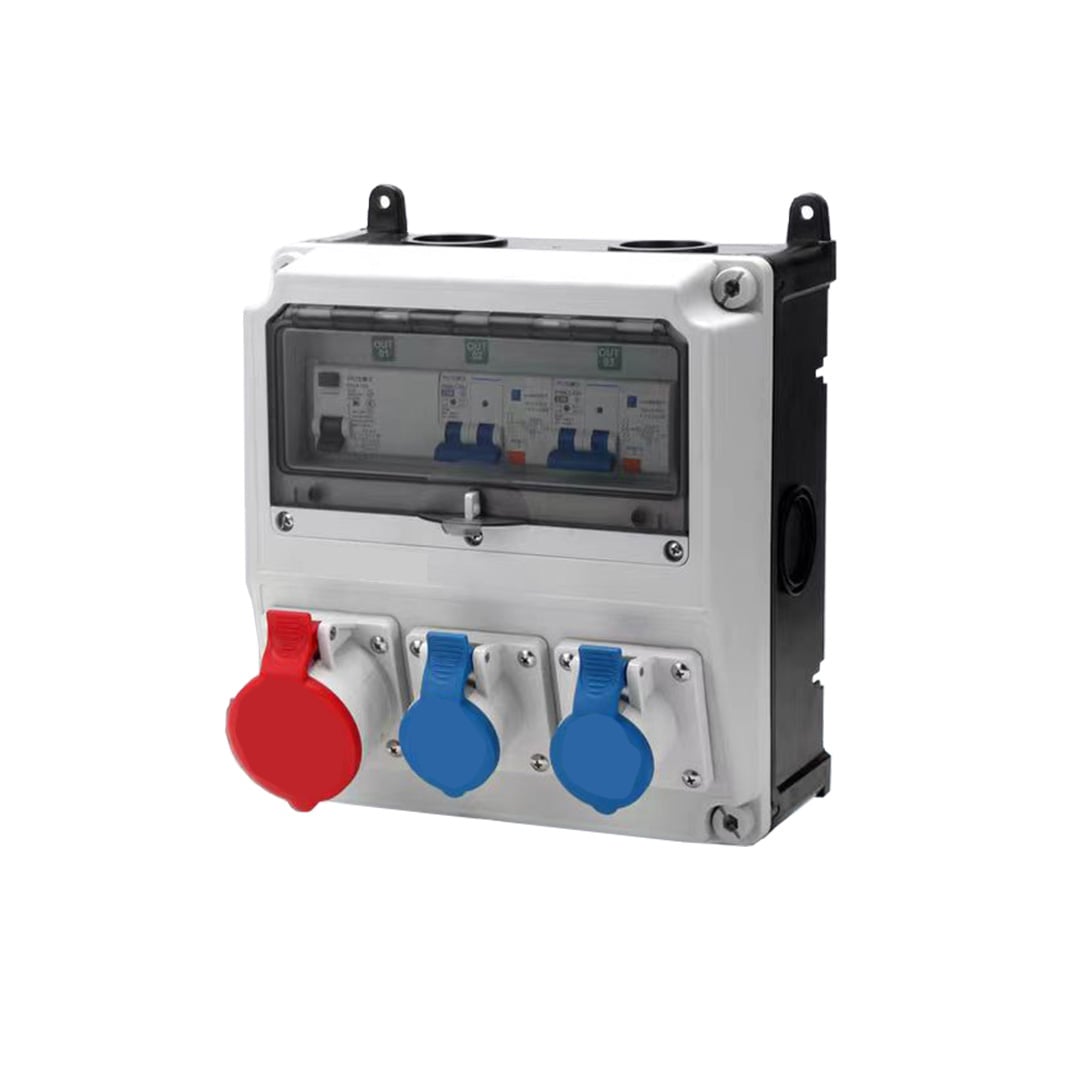
Electrical fire hazards represent one of the most serious threats in industrial, commercial, and residential environments. A metal plug socket box plays a critical role in mitigating these risks by containing electrical connections safely and preventing dangerous fault conditions. Understanding how a metal plug socket box enhances fire safety is essential for facility managers, engineers, and safety professionals who need to protect assets and personnel from electrical incidents.
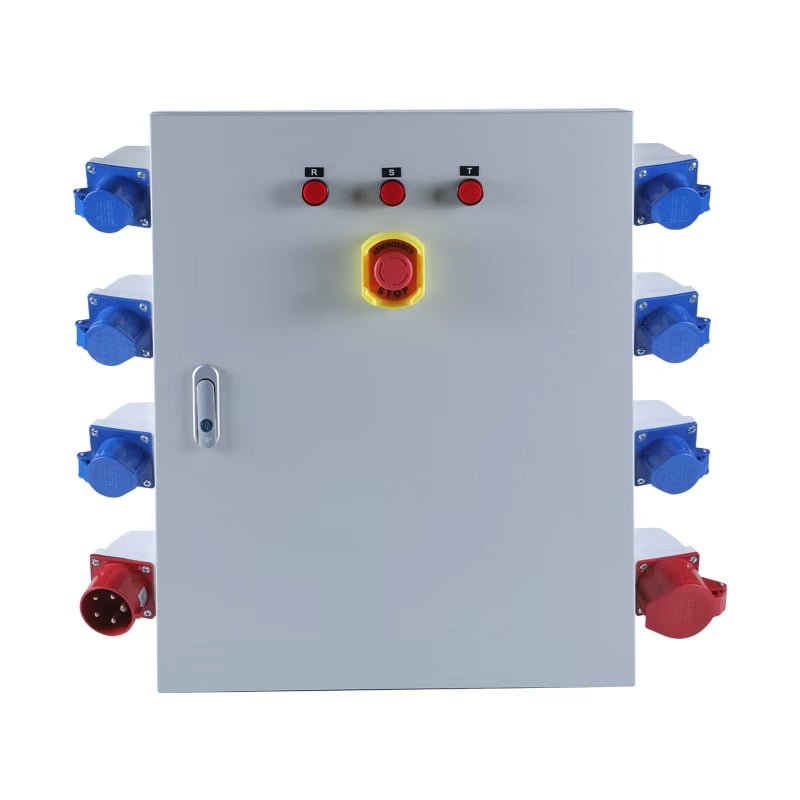
Fire safety in electrical systems depends on multiple layers of protection, and the metal plug socket box is one of the most fundamental components. By containing high-current connections, isolating conductive pathways, and providing thermal dissipation, a metal plug socket box prevents arc flash events, reduces short-circuit risks, and ensures that electrical faults do not ignite nearby combustible materials. This comprehensive guide explains the mechanisms through which a metal plug socket box protects against fire hazards in industrial operations.
Metal Construction and Arc Containment
Why Metal Enclosure Materials Matter for Fire Safety
The choice of enclosure material directly impacts electrical fire protection. A metal plug socket box uses steel or aluminum construction to create a non-flammable barrier around active electrical connections. Unlike plastic enclosures that can melt or catch fire under extreme fault conditions, metal materials resist thermal stress and prevent ignition of the enclosure itself. When an electrical arc occurs inside a metal plug socket box, the metal walls absorb and dissipate heat energy rather than releasing it into the surrounding environment.
Metal also provides superior electromagnetic shielding, reducing electromagnetic interference that can trigger unintended equipment activation or sensor failures. A properly engineered metal plug socket box contains arc plasma within its cavity, preventing hot gases and molten particles from escaping and igniting external materials. This arc containment capability is particularly critical in facilities where flammable atmospheres, dust accumulation, or combustible storage exists near electrical distribution points.
Thermal Dissipation and Heat Management
Excessive heat buildup is a primary cause of electrical fires. A metal plug socket box offers superior thermal conductivity compared to other materials, allowing heat generated by normal operation or minor faults to dissipate rapidly into the surrounding air. The large surface area of the metal enclosure acts as a passive heat exchanger, preventing internal temperatures from reaching ignition thresholds of nearby wiring insulation or other components within the metal plug socket box.
In high-amperage applications where current loads approach design limits, a metal plug socket box maintains structural integrity and thermal stability over extended periods. The metal construction prevents deformation that would expose live contacts, and it ensures that contact resistance remains low, reducing I²R losses that generate excess heat. This thermal performance is essential in industrial environments where continuous-duty operation is standard.
Electrical Isolation and Fault Prevention
Preventing Unintended Contact and Arc Initiation
Fire incidents often begin when conductive materials or personnel accidentally contact live electrical terminals. A metal plug socket box isolates all active conductors within a sealed enclosure, preventing accidental contact with energized components. The design of a metal plug socket box incorporates dedicated cable entry points with strain relief and sealing glands that prevent moisture and contaminants from reaching internal connections. These features eliminate pathways for ground faults that could initiate arcs.
The compartmentalization inside a metal plug socket box separates incoming power connections from outgoing load circuits, reducing the likelihood of cross-contact or phase-to-ground faults. When each connection within a metal plug socket box is independently secured and properly spaced, fault currents are confined and can be safely interrupted by protective devices before fire conditions develop.
Grounding and Bonding Architecture
Proper grounding is fundamental to fire prevention in electrical systems. A metal plug socket box serves as an integral part of the equipment grounding network, with conductive surfaces that are bonded to the facility ground system. This bonding ensures that any unintended current leakage flows safely to ground rather than creating shock hazards or initiating arc events. The metal structure of a metal plug socket box itself becomes part of the fault current return path, accelerating the response of overcurrent protective devices.
When fault currents are cleared quickly by circuit breakers or fuses, the duration of high-temperature arcing is minimized. A well-designed metal plug socket box with proper grounding ensures that fault currents reach their destination rapidly and predictably, reducing the thermal energy released and the risk of fire initiation. This is especially critical in three-phase industrial systems where phase-to-ground faults can create sustained high temperatures.
Protective Device Integration and Safety Standards
Circuit Protection and Overcurrent Response
A metal plug socket box houses circuit breakers, disconnect switches, and overcurrent protection devices that respond to electrical faults in milliseconds. The metal enclosure protects these devices from environmental contamination, dust, moisture, and vibration that would compromise their reliability. When an overload or short circuit occurs, protective devices inside the metal plug socket box trip immediately, disconnecting power before arc temperatures reach fire-ignition levels. The metal construction contains any arcing that occurs during this protective response.
Modern electrical standards require that a metal plug socket box meet specific arc-flash ratings and fault-withstand values. These ratings demonstrate that the metal plug socket box can safely contain the thermal and pressure effects of specified fault currents without rupturing or venting hazardous materials. Facility managers should verify that installed enclosures meet or exceed the calculated arc-flash energy levels for their specific applications.
Compliance with Fire Safety Regulations
Industrial and commercial electrical codes mandate that all electrical enclosures, including a metal plug socket box, must comply with established safety standards such as IEC 61439, UL 891, or equivalent regional standards. These standards specify material flammability ratings, thermal performance requirements, and fault-withstand capabilities that directly address fire safety. A certified metal plug socket box proves through third-party testing that its design prevents fire propagation and contains electrical hazards effectively.
Insurance companies and fire marshals increasingly require evidence that electrical distribution systems include properly rated enclosures. A metal plug socket box with appropriate certifications reduces liability exposure and ensures that facility electrical systems comply with regulatory expectations. Documentation of compliance becomes particularly important during facility inspections, insurance audits, or incident investigations.
FAQ
How does a metal plug socket box prevent electrical arcs from igniting nearby materials?
A metal plug socket box contains electrical arcs within its enclosed cavity by using non-flammable metal walls that absorb arc plasma and thermal energy. When an arc occurs, the metal enclosure prevents hot gases, molten particles, and radiant heat from escaping into the surrounding environment. The metal construction also conducts heat away from the arc zone, reducing the time and intensity of the arc event. This combination of containment and heat dissipation ensures that external materials never reach ignition temperatures, even during severe fault conditions.
What is the difference between metal and plastic electrical enclosures in terms of fire safety?
Metal enclosures provide superior fire safety because metal is non-flammable and maintains structural integrity under high temperatures, whereas plastic can melt, deform, or burn. A metal plug socket box resists thermal stress and provides better arc containment, preventing arc rupture through the enclosure wall. Metal also offers superior thermal conductivity for heat dissipation and electromagnetic shielding that reduces fault initiation risk. Plastic enclosures are suitable only for low-power, low-fault-current applications where fire risk is minimal.
Should a metal plug socket box be included in comprehensive facility fire safety audits?
Yes, a metal plug socket box should absolutely be included in facility fire safety audits. These enclosures are critical infrastructure that either enables or prevents electrical fires. Auditors should verify that the metal plug socket box is properly rated for the actual fault currents in the facility, that it is maintained according to electrical codes, and that protective devices within it are functioning correctly. Including a metal plug socket box assessment in routine fire safety reviews ensures that this important line of defense remains effective throughout the facility lifecycle.