 EN
EN


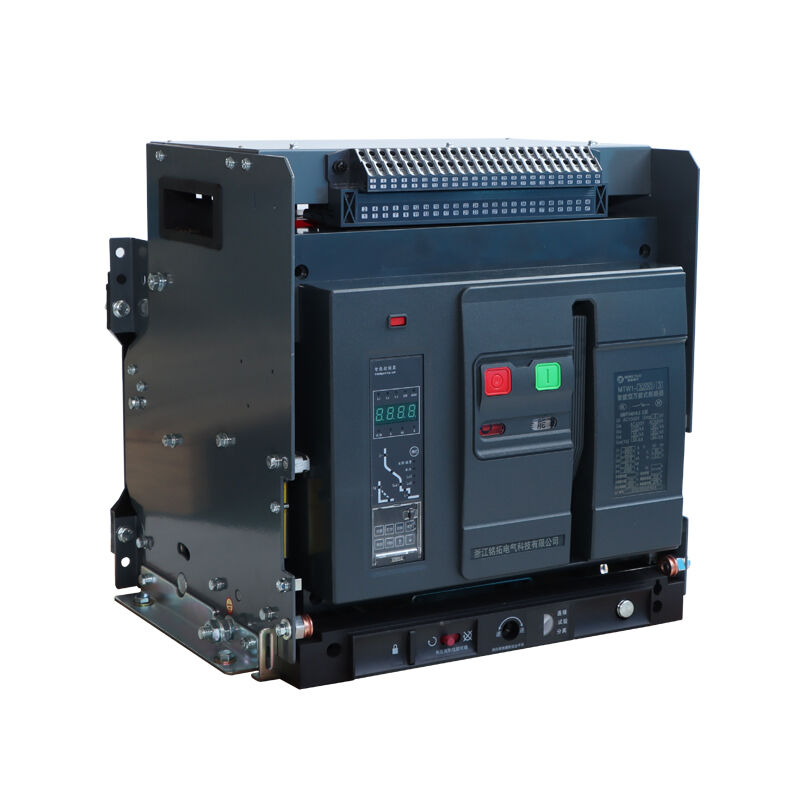
Understanding the cost structure behind electrical protection equipment is essential for procurement managers, electrical engineers, and facility operators making informed purchasing decisions. When evaluating a molded case circuit breaker for industrial or commercial applications, the price can vary significantly based on multiple technical, manufacturing, and market-driven variables. These pricing factors directly influence not only the initial investment but also the long-term value and total cost of ownership for electrical distribution systems.
The price of a molded case circuit breaker is determined by a complex interplay of design specifications, material quality, manufacturing precision, certification requirements, and market positioning. Unlike commodity electrical components, circuit breakers serve critical safety functions and must meet stringent performance standards, which creates inherent cost variations across different models and manufacturers. Recognizing these pricing drivers helps buyers distinguish between superficial cost differences and genuine value propositions that impact system reliability, operational safety, and regulatory compliance.
Current Rating and Breaking Capacity Impact on Pricing
Amperage Rating Influence on Component Design
The current rating of a molded case circuit breaker fundamentally affects its internal component sizing, material volume, and thermal management requirements. Higher amperage ratings demand larger conductor cross-sections, more robust contact systems, and enhanced heat dissipation mechanisms, all of which increase material costs and manufacturing complexity. A 100-ampere molded case circuit breaker requires significantly less copper, silver alloy contact material, and insulation volume compared to a 1600-ampere unit, creating a direct correlation between rated current and base manufacturing cost.
The contact system within a molded case circuit breaker must handle both continuous current flow and withstand the electromagnetic forces during fault interruption. As current ratings increase, contact materials transition from standard copper alloys to silver-tungsten or silver-cadmium oxide compositions that offer superior arc resistance and conductivity. These premium contact materials can represent fifteen to twenty-five percent of the total component cost in high-amperage breakers, making amperage rating one of the most visible pricing factors in product catalogs.
Terminal design complexity scales with current rating, as higher amperage molded case circuit breakers require specialized bus bar connections, compression lugs, or bolted terminal configurations instead of simple screw terminals. The engineering effort to optimize current distribution across multiple parallel paths, minimize hotspot formation, and ensure reliable mechanical connections adds both design and manufacturing costs that directly influence the final price point.
Breaking Capacity and Arc Interruption Technology
The short-circuit breaking capacity, typically expressed in kiloamperes, represents the maximum fault current a molded case circuit breaker can safely interrupt without catastrophic failure. Higher breaking capacity requirements necessitate sophisticated arc chute designs, magnetic blow-out systems, and reinforced enclosure structures capable of containing the explosive energy released during fault interruption. The engineering complexity and material specifications for a 50kA breaking capacity unit substantially exceed those of a 25kA rated device, creating significant price differentials.
Arc interruption technology in high-performance molded case circuit breakers employs specialized chamber geometries, deionizing plates, and magnetic field generation to rapidly extinguish electrical arcs. These arc quenching assemblies require precision manufacturing, heat-resistant ceramic or composite materials, and extensive validation testing to ensure reliable performance across the specified breaking capacity range. The development and production costs for these critical safety components contribute substantially to the overall price structure.
Testing and certification expenses increase exponentially with breaking capacity ratings, as manufacturers must demonstrate reliable interruption performance through destructive testing protocols defined by international standards. Each breaking capacity rating tier requires dedicated test sequences with specialized high-power laboratory equipment, and these validation costs are amortized across production volumes, affecting the per-unit price of molded case circuit breaker models with different specifications.
Material Quality and Manufacturing Standards
Conductor and Contact Material Selection
The conductive path within a molded case circuit breaker typically utilizes electrolytic copper for bus bars and internal connections, with material purity directly affecting both electrical performance and cost. Premium manufacturers specify oxygen-free copper with 99.99% purity to minimize resistive losses and ensure consistent thermal performance, while cost-optimized designs may use standard electrical-grade copper with slightly higher impurity levels. This material grade difference can impact the molded case circuit breaker price by five to ten percent while significantly affecting long-term reliability and energy efficiency.
Contact materials represent a critical cost variable, as the moving and stationary contacts must maintain low resistance during normal operation while withstanding the erosive effects of repeated arc exposure during switching events. Silver alloy contacts provide excellent conductivity and arc resistance but command premium prices compared to copper-tungsten alternatives. The contact material specification in a molded case circuit breaker directly correlates with expected mechanical life, contact resistance stability, and maintenance interval requirements.
Enclosure materials range from standard thermoplastic compounds to glass-reinforced polymers and flame-retardant formulations meeting UL94 V-0 specifications. Higher-grade polymers offer superior dimensional stability, impact resistance, and long-term UV stability but increase material costs by twenty to forty percent. The enclosure material choice affects not only the initial molded case circuit breaker price but also the product's suitability for harsh industrial environments, outdoor installations, and high-temperature applications.
Manufacturing Precision and Assembly Quality
The mechanical precision of trip mechanisms, contact alignment, and operating linkages determines both performance consistency and manufacturing cost. High-precision molded case circuit breaker production employs automated assembly systems with vision-guided positioning, torque-controlled fastening, and in-line functional testing to ensure specification compliance. These advanced manufacturing processes require significant capital investment and skilled technical personnel, costs that are reflected in the final product pricing structure.
Calibration procedures for thermal and magnetic trip elements demand specialized equipment and time-intensive adjustment protocols to achieve specified trip curves. Premium molded case circuit breaker manufacturers perform individual trip characteristic verification for each unit, while economy producers may rely on statistical sampling and batch calibration. The individual calibration approach increases production time by fifteen to thirty percent but ensures predictable protection performance across the entire product range.
Quality control protocols significantly influence manufacturing costs, with rigorous inspection regimes including contact resistance measurement, insulation testing, mechanical endurance verification, and thermal imaging to detect assembly defects. Comprehensive quality assurance programs can add eight to twelve percent to production costs but substantially reduce field failure rates and warranty claims, ultimately affecting the perceived value and market pricing of a molded case circuit breaker line.
Certification Requirements and Standards Compliance
International Standards and Testing Protocols
Compliance with international standards such as IEC 60947-2, UL 489, and GB 14048.2 requires extensive type testing, documentation, and ongoing quality surveillance that significantly impacts product development and production costs. A molded case circuit breaker intended for global markets must undergo separate certification processes for different regional standards, with testing fees ranging from fifty thousand to several hundred thousand dollars per product series depending on rating ranges and optional features.
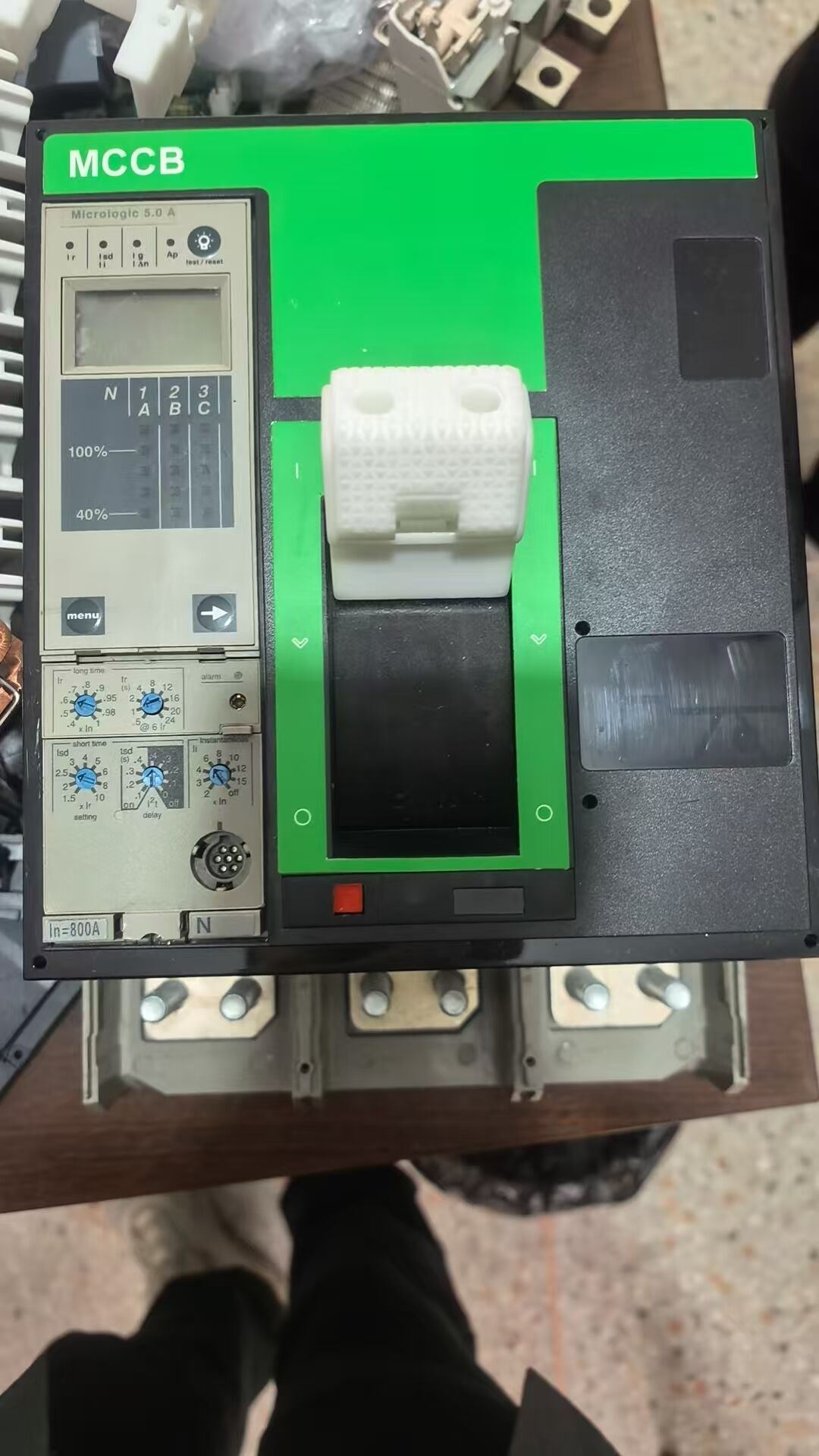
The testing protocols for molded case circuit breakers include temperature rise verification, dielectric withstand voltage testing, short-circuit performance validation, mechanical endurance cycling, and environmental exposure assessment. These comprehensive test sequences require specialized laboratory facilities, calibrated instrumentation, and weeks or months of testing duration, with costs distributed across anticipated production volumes. Higher certification costs for specialty ratings or enhanced performance classes directly influence the minimum viable price points for certified products.
Ongoing compliance monitoring and factory inspections by certification bodies impose recurring costs that manufacturers incorporate into product pricing structures. Third-party auditors conduct periodic facility assessments, production process reviews, and sample testing to verify continued conformance with certified specifications. These surveillance activities, while essential for maintaining certification validity, add recurring expenses that affect the long-term pricing stability of molded case circuit breaker product lines.
Regional Market Certifications and Approvals
Different geographical markets impose unique certification requirements beyond basic international standards, creating additional cost layers for manufacturers serving global customers. Marine classification society approvals from organizations like Lloyd's Register or DNV require supplementary environmental testing for vibration, humidity, and corrosion resistance. These specialized certifications increase development costs and limit production flexibility, factors that influence the pricing of molded case circuit breaker models marketed for maritime, offshore, or extreme environment applications.
Energy efficiency mandates and environmental regulations increasingly affect molded case circuit breaker design and certification costs. Compliance with RoHS directives, REACH substance restrictions, and energy loss limitations requires material substitutions, redesigned components, and additional testing protocols. The transition to compliant materials and processes typically increases production costs by three to eight percent, expenses that manufacturers pass through to end-users in adjusted pricing structures.
Industry-specific approvals for applications in petrochemical facilities, nuclear power stations, or hazardous locations demand extensive documentation, specialized testing protocols, and traceability systems that extend beyond standard product certifications. The limited production volumes for these specialized molded case circuit breaker variants cannot efficiently amortize the elevated certification and compliance costs, resulting in substantial price premiums compared to general industrial models with equivalent electrical ratings.
Advanced Features and Technological Integration
Electronic Trip Units and Digital Protection
The integration of electronic trip units transforms a basic molded case circuit breaker into an intelligent protection device with programmable trip curves, ground fault protection, and communication capabilities. Electronic trip technology requires microprocessor circuits, current sensors, power supply systems, and user interface components that can double or triple the base price of equivalent thermal-magnetic units. The added value comes from enhanced protection selectivity, reduced nuisance tripping, and simplified coordination with upstream and downstream devices.
Current sensing technology in electronic molded case circuit breakers employs Rogowski coils, Hall effect sensors, or current transformers to provide precise measurement of load currents and fault conditions. These sensing systems enable sophisticated protection algorithms including long-time, short-time, instantaneous, and ground fault protection elements with adjustable parameters. The electronic components, software development, and regulatory compliance for these digital systems add substantial cost compared to conventional bimetallic thermal trip mechanisms.
Communication interfaces such as Modbus, Profibus, or Ethernet connectivity enable molded case circuit breakers to integrate with building management systems, energy monitoring platforms, and predictive maintenance programs. The hardware and software required for network connectivity, data logging, and remote monitoring capabilities represent significant engineering investment and ongoing firmware support obligations. These advanced features command price premiums of thirty to sixty percent above standard non-communicating units while delivering operational benefits that justify the investment in critical facilities.
Auxiliary Contact Systems and Accessories
Optional auxiliary contacts, shunt trip devices, undervoltage releases, and motor operators expand molded case circuit breaker functionality but incrementally increase both product complexity and price. Each accessory requires mechanical integration with the main breaker mechanism, electrical isolation from power circuits, and coordination with the primary protection function. The modular design architecture to accommodate these accessories adds engineering complexity and manufacturing costs that affect base product pricing even for units without installed options.
The quality and reliability of accessory components directly impact system integration success and long-term maintenance requirements. Premium auxiliary contacts utilize bifurcated contact designs, gold-plated surfaces, and hermetically sealed housings to ensure reliable signaling performance across millions of operating cycles. These high-specification auxiliary devices can add ten to twenty percent to the total molded case circuit breaker system cost while preventing costly control circuit failures in automated systems.
Mounting systems, draw-out chassis, and remote operating mechanisms for molded case circuit breakers require precision mechanical components, alignment systems, and safety interlocks that substantially increase installed system costs. The engineering effort to ensure reliable mechanical operation, electrical continuity, and operator safety for these complex assemblies creates cost structures significantly higher than fixed-mounted breakers with manual operation, reflected in corresponding price differentials.
Market Positioning and Brand Value Factors
Brand Reputation and Technical Support Infrastructure
Established manufacturers with decades of molded case circuit breaker production history command price premiums based on brand recognition, perceived reliability, and comprehensive technical support networks. The investment in global service infrastructure, application engineering resources, and readily available replacement parts creates tangible value for end-users that justifies higher initial purchase prices. Brand equity developed through consistent quality performance translates directly into pricing power within competitive markets.
Technical documentation quality, application guides, and engineering support services represent significant ongoing investments that premium manufacturers incorporate into product pricing. Comprehensive selection software, coordination study tools, and responsive technical helplines reduce engineering time and specification errors for customers, creating value beyond the physical molded case circuit breaker product. These support services, while not directly visible in the hardware, contribute substantially to the total value proposition and pricing structure.
Warranty programs and performance guarantees backed by financially stable manufacturers provide risk mitigation that economy brands cannot match. Extended warranty periods, no-cost replacement policies, and expedited failure analysis services reduce total cost of ownership despite higher initial molded case circuit breaker prices. The insurance value of comprehensive warranty coverage particularly appeals to facility operators where downtime costs dramatically exceed equipment replacement expenses.
Production Volume and Market Segmentation
Manufacturing economies of scale significantly influence per-unit costs, with high-volume molded case circuit breaker production achieving material cost advantages, optimized manufacturing processes, and reduced overhead allocation. Mass-market residential and light commercial breakers benefit from automated production lines producing millions of units annually, while specialized industrial models in high amperage or unusual voltage ratings face limited production runs with correspondingly higher unit costs.
Market segmentation strategies affect pricing structures as manufacturers position product lines for distinct customer categories with different value perceptions and price sensitivities. Premium molded case circuit breaker lines marketed to critical infrastructure, data centers, and industrial facilities emphasize reliability, advanced features, and comprehensive support, commanding prices two to three times higher than functionally similar models positioned for general commercial construction markets. This strategic pricing reflects different customer priorities rather than purely cost-based pricing.
Geographic market dynamics, including regional manufacturing costs, logistics expenses, tariff structures, and competitive landscapes, create price variations for identical molded case circuit breaker models across different markets. Products manufactured in high-labor-cost regions or subject to import duties naturally carry higher prices than locally produced alternatives, though quality perceptions and brand preferences can override pure cost considerations in purchasing decisions.
FAQ
How much does amperage rating typically affect molded case circuit breaker pricing?
Amperage rating creates a roughly logarithmic pricing relationship, with prices typically doubling every time the current rating increases by a factor of four to six. A 400-ampere molded case circuit breaker generally costs two to three times more than a 100-ampere unit due to increased material volume, larger contact systems, and enhanced thermal management requirements. The exact price multiplier varies by manufacturer and specific design architecture but represents one of the most predictable pricing factors.
Do electronic trip units justify their higher cost compared to thermal-magnetic protection?
Electronic trip units typically add fifty to one hundred fifty percent to the base molded case circuit breaker price but deliver value through programmable protection curves, reduced panel space requirements through better selectivity, enhanced ground fault protection, and diagnostic capabilities. For critical facilities, industrial processes, and applications requiring coordination with complex distribution systems, the operational benefits and reduced downtime risk generally justify the premium. However, simple applications with stable loads and basic protection requirements may not realize sufficient value to offset the additional investment.
Why do certified molded case circuit breakers cost more than uncertified alternatives?
Certified molded case circuit breakers incorporate costs for extensive type testing, ongoing factory inspections, quality system maintenance, and technical documentation required by certification bodies. These expenses typically add fifteen to thirty percent to manufacturing costs compared to uncertified products. However, certified breakers provide essential regulatory compliance, insurance acceptance, legal liability protection, and verified performance characteristics that uncertified alternatives cannot deliver, making the price differential a necessary investment for legitimate installations.
How do material choices impact long-term value despite initial price differences?
Premium materials such as silver alloy contacts, oxygen-free copper conductors, and high-grade enclosure polymers increase initial molded case circuit breaker prices by ten to twenty-five percent but deliver extended service life, reduced maintenance requirements, and lower energy losses over decades of operation. The total cost of ownership analysis often favors higher-quality materials, particularly in applications with high utilization rates or difficult access for maintenance. Conversely, infrequently operated breakers in non-critical applications may not justify premium material investments, making application-specific evaluation essential for value optimization.
Table of Contents
- Current Rating and Breaking Capacity Impact on Pricing
- Material Quality and Manufacturing Standards
- Certification Requirements and Standards Compliance
- Advanced Features and Technological Integration
- Market Positioning and Brand Value Factors
-
FAQ
- How much does amperage rating typically affect molded case circuit breaker pricing?
- Do electronic trip units justify their higher cost compared to thermal-magnetic protection?
- Why do certified molded case circuit breakers cost more than uncertified alternatives?
- How do material choices impact long-term value despite initial price differences?