 EN


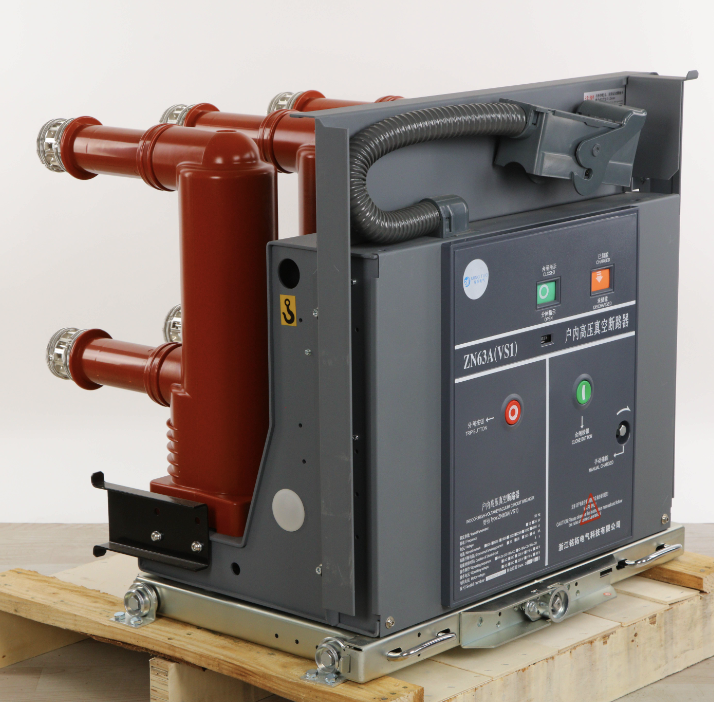
The vcb breaker price you encounter in the market varies significantly depending on numerous technical specifications and operational requirements. Understanding these variations is critical for procurement professionals, electrical engineers, and facility managers who must allocate capital budgets accurately and select equipment that matches both performance needs and financial constraints. Unlike commodity products with standardized pricing, vcb breaker price depends on a complex interplay of design parameters, materials, testing requirements, and manufacturing processes that directly influence the final cost to the buyer.
Vacuum circuit breakers have become the preferred interruption technology in medium and high-voltage applications, replacing older oil-filled and air-blast alternatives in many industrial environments. The vcb breaker price you pay reflects the engineering sophistication, reliability standards, and specialized manufacturing required to deliver these solutions. This article explores the primary drivers of vcb breaker price variation, helping you navigate procurement decisions with greater clarity and confidence in understanding what factors justify cost differences.
Voltage Rating Impact on VCB Breaker Price
Rated Voltage and Design Complexity
The rated voltage of a vacuum circuit breaker is one of the most significant determinants of vcb breaker price. Breakers designed for 6kV, 10kV, 12kV, 24kV, or 35kV applications require fundamentally different internal geometries, insulation systems, and component specifications. Higher voltage ratings demand thicker insulation materials, larger contact gaps, more sophisticated arc quenching mechanisms, and enhanced dielectric strength throughout the breaker assembly. A 12kV vcb breaker price will typically differ substantially from a 6kV unit because the engineering complexity increases with voltage rating, requiring more expensive materials and precision manufacturing processes.
Insulation Material and Testing Requirements
As voltage ratings increase, so do the insulation requirements and factory testing protocols that influence vcb breaker price. Breakers rated for higher voltages must undergo extended high-potential dielectric tests, impulse withstand tests, and accelerated life testing to ensure safety and reliability under fault conditions. These rigorous testing procedures add significant cost to manufacturing. The vcb breaker price you observe reflects the investment manufacturers make in quality assurance, compliance verification, and certification documentation required to meet international standards for high-voltage equipment.
Current Capacity and Mechanical Considerations
Rated Current and Contact Design
Current-carrying capacity directly influences vcb breaker price because higher current ratings require larger contact surfaces, heavier copper components, and more robust mechanical structures. A breaker rated for 630A demands different contact materials and geometry than a 1250A or 1600A unit operating at the same voltage. The vcb breaker price increases proportionally as current ratings rise because manufacturers must invest in larger contact housings, thicker electrical conductors, enhanced heat dissipation features, and reinforced mechanical linkages capable of managing thermal stresses during continuous operation and fault clearing events.
Mechanical Operating Mechanism
The mechanical mechanism that controls opening and closing operations is another major cost driver affecting vcb breaker price. Manual operation mechanisms are typically less expensive than motorized systems, while spring-charged mechanisms with stored energy require additional engineering and precision manufacturing. Breakers equipped with remote operation capabilities, multiple control options, or integrated protection relays will command higher vcb breaker price points. The complexity of the operating mechanism reflects the intended application environment, ranging from manually operated stationary breakers in smaller installations to fully automated systems in large industrial switchgear complexes.
Duty Cycle and Environmental Specifications
Switching Duty and Interrupting Capacity
The interrupting capacity rating of a vacuum circuit breaker significantly affects vcb breaker price because this specification determines the breaker's ability to safely interrupt fault currents without damage or failure. A breaker rated for 20 kA interrupting capacity requires different contact materials, chamber designs, and arc control mechanisms than one rated for 40 kA or higher. The vcb breaker price reflects these design enhancements because higher interrupting capacity demands advanced vacuum technology, optimized electrode configurations, and more sophisticated arc suppression features that protect equipment and personnel during severe electrical faults.
Environmental and Application-Specific Features
Environmental conditions and intended applications drive additional design features that influence vcb breaker price. Breakers specified for outdoor installations or corrosive industrial environments require enhanced protection coatings, stainless steel components, and sealed enclosures that increase manufacturing costs. Similarly, breakers designed for rapid switching cycles in railway applications or frequent load-switching operations in distribution networks command higher vcb breaker price because they incorporate reinforced components designed to withstand accelerated wear patterns. Altitude ratings, temperature operating ranges, and pollution category classifications all contribute to the final vcb breaker price.
Manufacturing Standards and Certification
International Standards and Compliance
Compliance with international standards such as IEC 62271-100 significantly influences vcb breaker price because manufacturing, testing, and documentation requirements are stringent. Breakers certified to multiple international standards often command higher vcb breaker price because manufacturers must maintain compliance across different regulatory frameworks and demonstrate conformance through independent third-party testing. The cost of certification, quality control, and documentation is embedded in the vcb breaker price, making it essential for procurement teams to understand that price premiums often reflect genuine quality assurance investments rather than markup.
Design Variations and Customization
Custom design modifications and application-specific adaptations substantially increase vcb breaker price compared to standard catalog units. Breakers designed to fit into specialized switchgear configurations, interface with unique control systems, or operate under non-standard conditions require engineering customization that adds development costs. Specialized vcb breaker price quotations reflect this customization effort. Handcart-type configurations, fixed-mounting variants, and integrated control packages each command different vcb breaker price points depending on the engineering modifications required.
FAQ
What factors have the greatest influence on vcb breaker price?
The vcb breaker price is primarily determined by rated voltage, current capacity, interrupting capacity, duty cycle, and international certification requirements. These core specifications drive the engineering complexity, material selection, and testing protocols that manufacturers must implement. Design variations, customization requirements, and environmental specifications also significantly affect the final vcb breaker price you receive from suppliers.
How does interrupting capacity affect vcb breaker price?
Interrupting capacity directly influences vcb breaker price because higher fault-current ratings require advanced vacuum chamber designs, optimized contact materials, and sophisticated arc control mechanisms. Breakers capable of interrupting 40 kA or higher fault currents incorporate more expensive materials and precision engineering than lower-rated units, resulting in proportionally higher vcb breaker price. This specification reflects the breaker's ability to safely protect equipment during severe electrical events.
Why do custom-designed breakers cost more than standard catalog units?
Custom-designed vacuum circuit breakers command higher vcb breaker price because they require engineering development, specialized testing, and unique manufacturing processes tailored to specific application requirements. Standard catalog breakers benefit from volume manufacturing and established production workflows, which reduce per-unit costs. When you require application-specific modifications or integration with existing switchgear systems, the vcb breaker price increases to cover the design, validation, and customization efforts required to meet your unique specifications.