 EN
EN


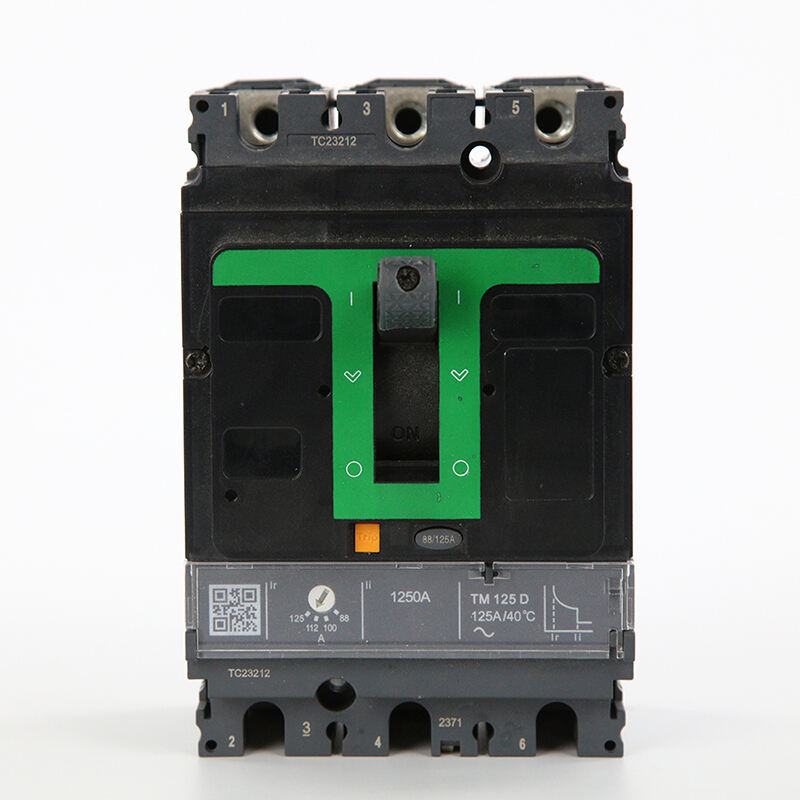
An enclosed molded case switch is a core component in modern electrical power distribution systems. Whether used in commercial buildings, industrial facilities, or utility infrastructure, the enclosed molded case switch delivers a reliable combination of switching capability, circuit protection, and physical safety that open-style devices simply cannot match. Understanding what makes the enclosed molded case switch so valuable helps engineers, procurement managers, and facility operators make better decisions for their electrical systems.
The enclosed molded case switch has become the preferred choice across a wide range of power control applications. Its compact molded housing, integrated arc-quenching mechanism, and robust construction make the enclosed molded case switch suitable for environments where reliability and operational safety are non-negotiable. This article explores the primary benefits the enclosed molded case switch provides and why it continues to be specified in critical electrical installations worldwide.
Structural and Safety Advantages
Protective Molded Housing
The defining feature of the enclosed molded case switch is its thermoplastic or thermoset molded housing, which fully encapsulates all internal contacts, conductors, and arc-quenching components. This enclosure protects live parts from accidental contact, significantly reducing the risk of electric shock or arc flash injury. In environments where dust, moisture, or mechanical impact is a concern, the enclosed molded case switch provides a level of physical protection that open switchgear cannot offer. The molded casing of the enclosed molded case switch also resists deformation under thermal stress, ensuring dimensional stability even during high-load conditions.
Because the enclosed molded case switch seals its internal mechanism, it minimizes contamination from external debris. Particles that could otherwise compromise contact surfaces or interrupt proper switching operations are effectively excluded. This makes the enclosed molded case switch especially appropriate for manufacturing floors, outdoor distribution panels, and any installation area where environmental cleanliness cannot always be guaranteed.
Arc Containment and Fault Isolation
When a fault current occurs, the enclosed molded case switch interrupts the circuit rapidly and contains the resulting arc within its sealed chamber. This arc containment function is critical for preventing fire, equipment damage, and personnel injury. The enclosed molded case switch incorporates arc chutes that cool and extinguish the arc before it can cause secondary damage. This internal arc management distinguishes the enclosed molded case switch from simpler switching devices that lack dedicated fault interruption engineering.
Operational Performance Benefits
High Interrupting Capacity
One of the most important operational benefits of the enclosed molded case switch is its high short-circuit interrupting capacity. Industrial and commercial power systems are subject to fault currents that can reach tens of thousands of amperes. The enclosed molded case switch is engineered to handle these extreme current levels safely, interrupting the fault before downstream equipment sustains damage. A properly rated enclosed molded case switch protects cables, transformers, motors, and sensitive control systems from the destructive energy released during a short circuit event.
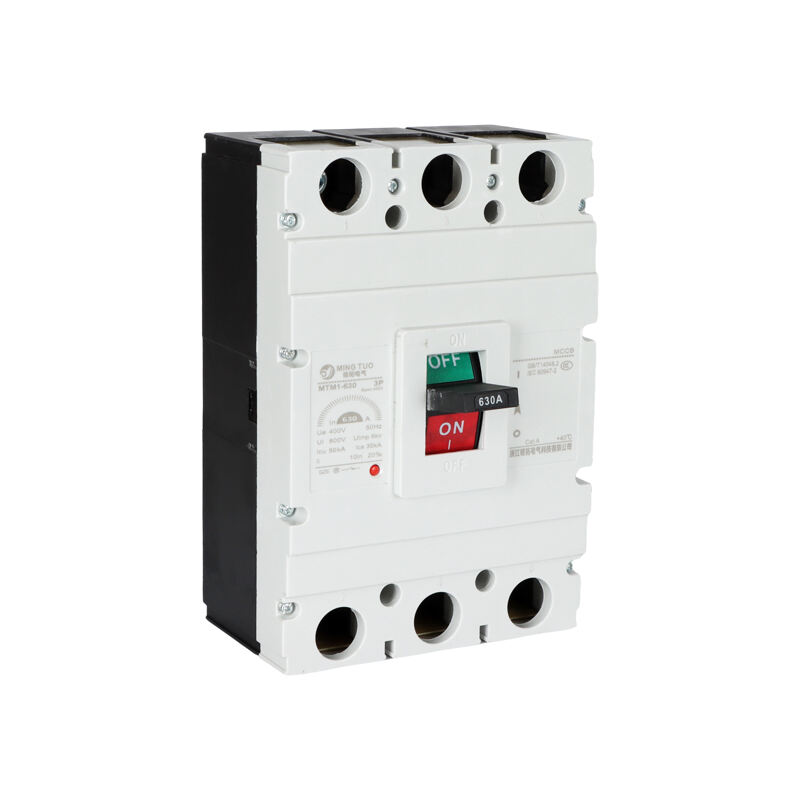
The enclosed molded case switch is available across a broad range of current ratings, from compact units suitable for small distribution panels to large-frame models designed for main feeder protection. This scalability means the enclosed molded case switch can be specified precisely to match the fault current capacity of any given system, avoiding the over-engineering costs associated with oversized switchgear while still meeting safety requirements.
Consistent and Repeatable Switching
The enclosed molded case switch delivers consistent on-off switching performance across thousands of operating cycles. Its internal toggle or rotary mechanism is calibrated to open and close contacts cleanly and decisively, minimizing contact bounce and arcing during routine switching. This mechanical consistency means the enclosed molded case switch maintains reliable performance throughout its service life without requiring frequent recalibration or adjustment. For facilities that conduct regular load switching as part of normal operations, the durability of the enclosed molded case switch translates directly into lower maintenance frequency and reduced downtime risk.
Installation and Maintenance Practicality
Compact Form Factor and Easy Integration
The enclosed molded case switch is designed with a compact, standardized form factor that integrates smoothly into most distribution boards, motor control centers, and switchgear enclosures. Its fixed dimensions and bolt-on or plug-in mounting options simplify panel layout and reduce installation labor. Because the enclosed molded case switch arrives as a factory-assembled unit, field wiring is straightforward and the risk of assembly errors is minimized. This plug-and-protect nature of the enclosed molded case switch makes it a practical choice for both new installations and retrofit projects.
The enclosed molded case switch also supports a variety of accessory add-ons, including auxiliary contacts, shunt trips, undervoltage releases, and rotary handle mechanisms. These accessories allow the enclosed molded case switch to be adapted for remote operation, interlocking, and alarm signaling without modifying the core unit. This modularity enhances the flexibility of the enclosed molded case switch in complex system designs.
Low Maintenance Requirements
Because the internal components of the enclosed molded case switch are fully enclosed and protected from external contamination, maintenance needs are significantly reduced compared to open-frame or exposed switching devices. Routine inspection of the enclosed molded case switch focuses primarily on external condition, terminal tightness, and operating handle function. In most industrial applications, the enclosed molded case switch requires no internal servicing during its rated operational life, provided it is installed correctly and operated within its specified parameters. This low maintenance profile reduces the total cost of ownership for any system that relies on the enclosed molded case switch for protection and control.
FAQ
What distinguishes an enclosed molded case switch from a standard circuit breaker?
An enclosed molded case switch shares the same protective housing as a molded case circuit breaker but is optimized for load switching rather than overload or short-circuit protection. The enclosed molded case switch is built for frequent on-off switching duties, whereas a standard molded case circuit breaker is calibrated primarily for fault detection and interruption. Both devices share the benefit of the fully sealed molded enclosure.
In which environments is the enclosed molded case switch most suitable?
The enclosed molded case switch is most suitable in industrial plants, commercial buildings, data centers, utility substations, and outdoor distribution enclosures. Any environment where dust, vibration, humidity, or mechanical impact presents a risk to electrical equipment benefits from the rugged sealed design of the enclosed molded case switch.
Can the enclosed molded case switch be used for motor control applications?
Yes, the enclosed molded case switch is widely used as a motor isolator and disconnect device in motor control centers. Its ability to interrupt load currents cleanly and safely makes the enclosed molded case switch an effective choice for isolating motors during maintenance, commissioning, or emergency shutdown procedures. Proper current rating selection is essential when applying the enclosed molded case switch in motor circuits.