 EN
EN


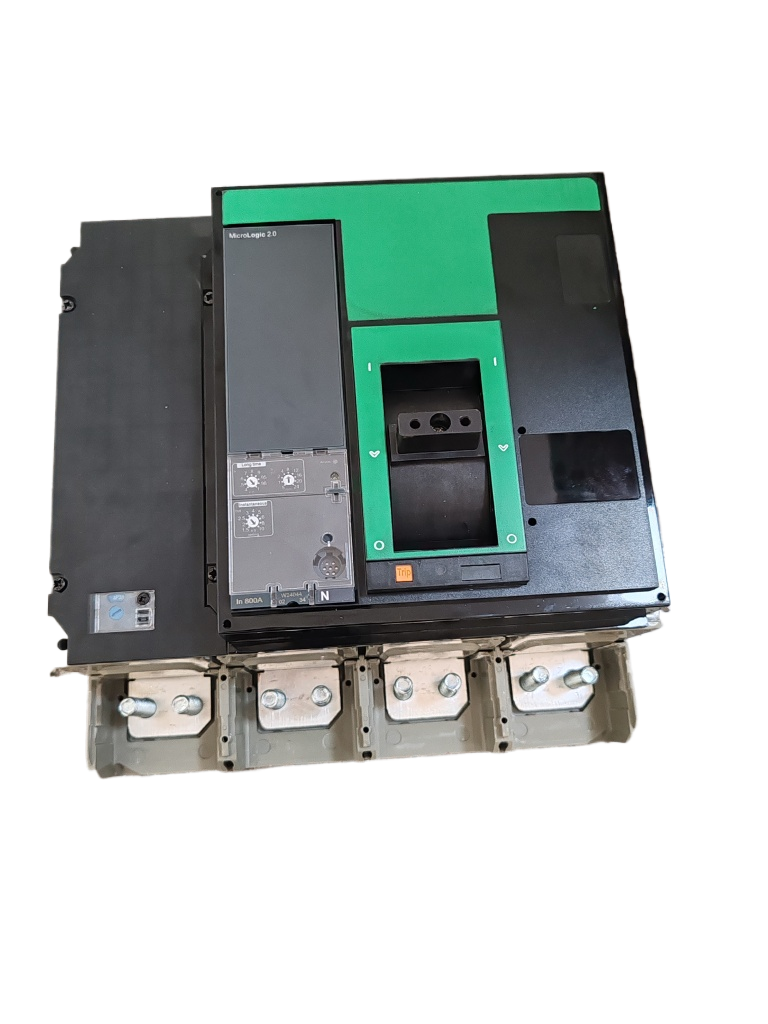
A VCB vacuum circuit breaker represents a fundamental shift in how modern industrial facilities protect and maintain their electrical infrastructure. Unlike traditional oil-filled or air-blast circuit breakers, a VCB vacuum circuit breaker operates within a sealed vacuum environment, eliminating the degradation that occurs in conventional switching mediums. This engineering approach directly translates to extended equipment lifespan, reduced operational costs, and enhanced system reliability across manufacturing plants, power distribution networks, and renewable energy installations.
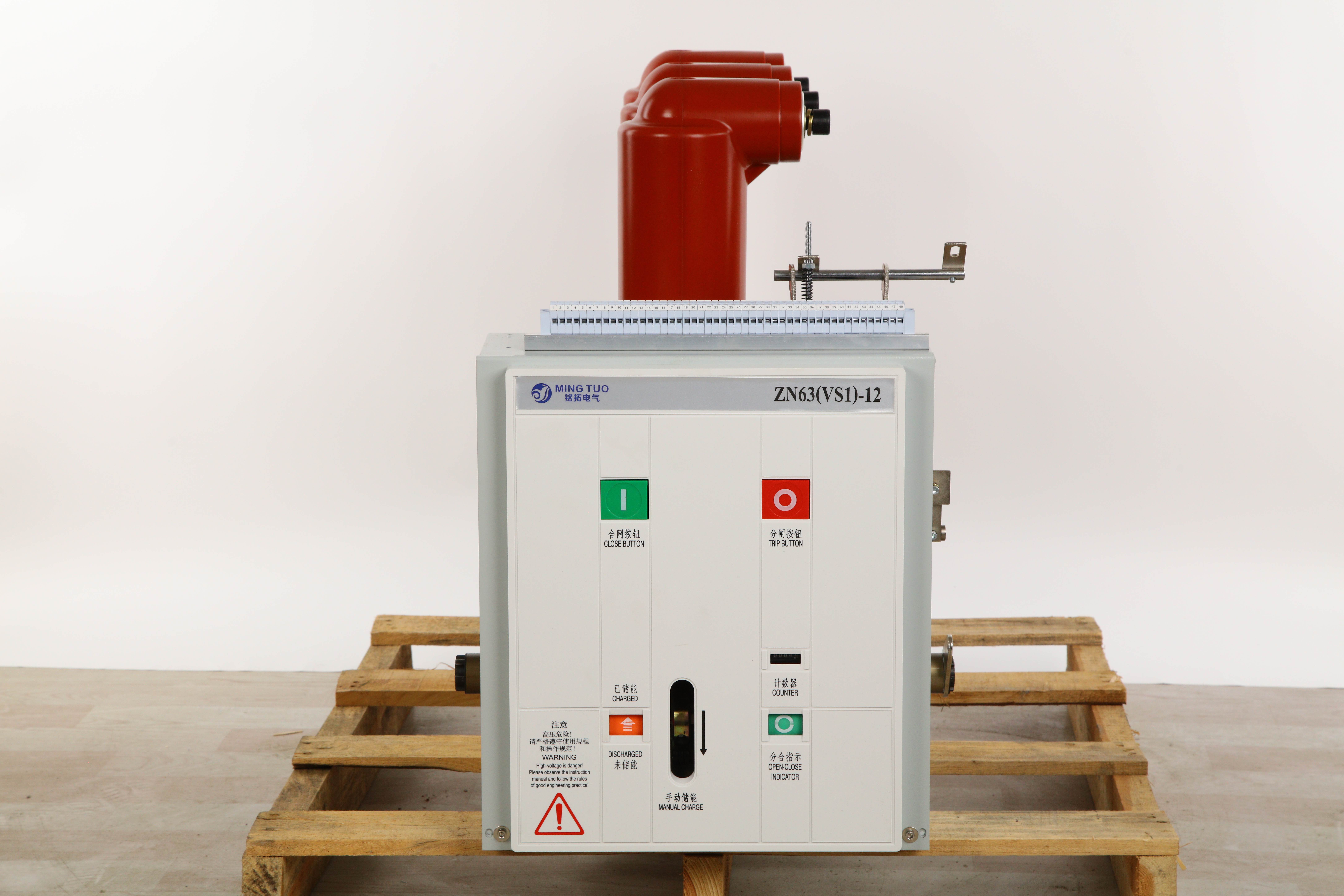
Understanding how a VCB vacuum circuit breaker improves system longevity requires examining both the physical mechanisms at work and the real-world performance data from industrial deployments. When arc interruption occurs inside a vacuum chamber, the absence of atmospheric oxygen and nitrogen prevents chemical degradation of contact surfaces and insulation materials. This fundamental advantage means that equipment designed with a VCB vacuum circuit breaker experiences significantly less wear, maintains consistent performance over decades, and requires substantially fewer maintenance interventions than competing technologies.
The Vacuum Arc Interruption Advantage
How Vacuum Environment Prevents Deterioration
The core strength of a VCB vacuum circuit breaker lies in its switching environment. When electrical contacts open inside a vacuum chamber, the arc that forms extinguishes naturally as electrons and ions move away from the contact gap. Without air molecules or other reactive gases present, there is no oxidation, no nitride formation, and no chemical byproducts accumulating on contact surfaces. This means a VCB vacuum circuit breaker can undergo thousands of switching cycles without the progressive contact erosion that degrades conventional breakers over time. Industrial facilities using a VCB vacuum circuit breaker report contact wear rates measured in micrometers per thousand operations, compared to millimeter-scale erosion in oil-filled alternatives.
Extended Contact Life and Thermal Stability
Contact materials inside a VCB vacuum circuit breaker maintain their mechanical properties far longer because the vacuum eliminates thermal degradation pathways. Copper-based and silver-alloy contacts, which are standard in vacuum breaker designs, resist oxidation and do not experience the embrittlement that occurs when high temperatures expose contacts to air. A VCB vacuum circuit breaker with properly selected contact materials can deliver consistent electrical performance for twenty to thirty years, whereas traditional breakers often require contact replacement within ten to fifteen years. This extended contact life directly reduces the total cost of equipment ownership and minimizes unplanned maintenance shutdowns.
System Reliability and Reduced Downtime
Predictable Performance Across Operating Ranges
When facilities integrate a VCB vacuum circuit breaker into their protection scheme, they gain the advantage of highly predictable interruption performance. The vacuum arc interruption process does not degrade in the way that air-blast or oil-immersed interruption degrades, which means a VCB vacuum circuit breaker will interrupt faults with the same reliability on its first operation and its ten-thousandth operation. This consistency is particularly valuable in critical industrial environments where unexpected breaker trips or failure-to-interrupt events can cascade into hours of lost production. A VCB vacuum circuit breaker eliminates the maintenance-driven performance degradation that complicates risk assessment in aging electrical systems.
Minimized Environmental Contamination and Maintenance Burden
Traditional circuit breakers rely on insulating liquids or air blast mechanisms that accumulate combustion byproducts, moisture, and particulate contamination over time. A VCB vacuum circuit breaker eliminates this problem entirely by operating in a hermetically sealed vacuum chamber. There is no insulating fluid to monitor, no contamination pathway for moisture ingress, and no requirement for regular oil sampling or air filter replacement. This sealed design means that a VCB vacuum circuit breaker typically requires only periodic visual inspection and occasional cleaning of external surfaces, contrasting sharply with the intensive maintenance schedules demanded by conventional technologies. The reduction in maintenance labor directly improves facility budgeting predictability and allows maintenance teams to focus resources on other critical assets.
Industrial Performance Data and Lifecycle Economics
Real-World Reliability Metrics from Operating Facilities
Extensive field data from power distribution operators and industrial manufacturers demonstrates that a VCB vacuum circuit breaker consistently outperforms traditional alternatives in mean time between failures and mean time to restore service. Studies spanning ten to twenty-year operating periods show that a VCB vacuum circuit breaker experiences unplanned failure rates approximately 60 to 70 percent lower than comparable oil-immersed breakers operating under identical conditions. Facilities that replaced aging air-blast circuit breakers with modern VCB vacuum circuit breaker technology reported average maintenance cost reductions of 40 to 50 percent over the first ten years of operation. These improvements accumulate significantly in large industrial plants with dozens or hundreds of circuit breaker positions.
Lifecycle Cost Analysis and Return on Investment
A comprehensive lifecycle cost assessment reveals why modern facilities increasingly specify a VCB vacuum circuit breaker for new installations and retrofit projects. While initial equipment costs for a VCB vacuum circuit breaker may exceed conventional options by 10 to 20 percent, the elimination of contact replacement, reduced maintenance labor, and extended operational life recover the investment within five to seven years in most industrial applications. Beyond the break-even point, a VCB vacuum circuit breaker delivers pure operating cost savings year after year. Facilities with high-switching-duty applications, such as those involving frequent load transfers or fault clearing operations, achieve payback periods of three to four years because the superior contact durability of a VCB vacuum circuit breaker becomes a decisive cost factor.
FAQ
What makes vacuum arc interruption superior to other switching methods for circuit breakers?
Vacuum arc interruption, the core technology in a VCB vacuum circuit breaker, eliminates oxidation, chemical degradation, and thermal erosion of contacts that occur in air or oil environments. The absence of atmospheric gases means the arc extinguishes cleanly without generating harmful byproducts, so contact surfaces remain smooth and reliable across thousands of operations. This fundamental advantage is why a VCB vacuum circuit breaker maintains consistent interruption performance and contact integrity throughout its operational life, whereas conventional breakers experience progressive degradation.
How often does a VCB vacuum circuit breaker require maintenance compared to traditional breakers?
A VCB vacuum circuit breaker typically requires only annual visual inspection and occasional external cleaning, whereas oil-filled breakers demand quarterly or semi-annual fluid testing, moisture analysis, and potential filter or contact replacement. Since a VCB vacuum circuit breaker eliminates insulating fluid, combustion byproducts, and environmental contamination pathways, maintenance burden drops dramatically. Most facilities report 60 to 70 percent reduction in maintenance labor and materials costs when transitioning to a VCB vacuum circuit breaker system.
Can a VCB vacuum circuit breaker be retrofitted into existing electrical infrastructure?
Many modern VCB vacuum circuit breaker designs feature mechanical and electrical compatibility with legacy breaker frameworks, enabling retrofit into existing switchgear and motor control centers without major structural modification. However, compatibility depends on the specific existing installation, voltage class, and current rating requirements. Facilities considering this upgrade should consult with equipment manufacturers and engineering specialists to verify that a VCB vacuum circuit breaker variant exists that matches their system specifications and installation constraints.